
Gotland Garbage
Overview

SCROLL DOWN FOR MORE!
Country
Type of organization
Number of employees
Type of practice
Level of investment
Activity type
Key words

Summary

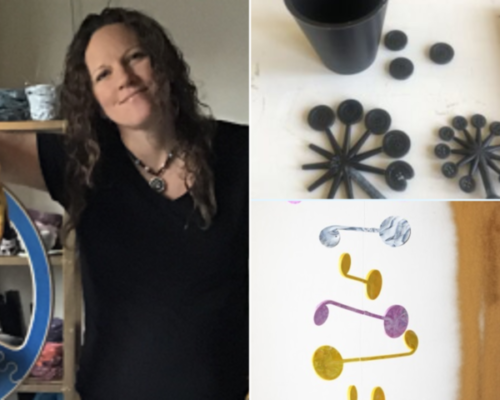
Gotland Garbage is a micro-scale recycling workshop founded in 2019 by Linda Runarsdottir, the initiative transforms local plastic waste into handcrafted design objects and functional items. It’s located on the biggest Swedish Island in the middle of the Baltic Sea where tourism is high during summer months. It utilises locally sourced plastic waste, including PP, RE and HDPE to create unique products such as jewelry, buttons, and home decor items, many of them perfect as souvenirs and for gifting. The operation emphasizes sustainability, community engagement, and the promotion of circular economy principles.
Gotland Garbage demonstrates solid effectiveness, sustainability, and transferability. It has been implemented successfully, gained recognition, and inspired other makers. As a local implementation of the Precious Plastic ecosystem it qualifies as a Good Practice and exemplifies how the model can be adapted creatively to a Nordic, craft-oriented context with strong entrepreneurial and educational value.
Background and origin
Relevance to the craft sector
Material focus – type of waste material involved
- Primarily PP and PE, but also HDPE plastics, sourced from local waste streams including household items, agricultural plastics, and discarded consumer products.
- Also experimenting with joins of other materials. Old car parts (metal) and textiles.

Target groups
- Local artisans
- Designers
- Environmentally conscious consumers
It also collaborates with businesses and institutions interested in sustainable practices.
Stakeholders involved
- Precious Plastic Network: Provides open-source designs and support for small-scale plastic recycling.
- Local Businesses: Collaborations with companies like Rave Review and POW Studio for product development.
- Educational Institutions: Partnerships with entities like Luleå University of Technology for material testing.
- Government Support: Funding and support from Region Gotland and Leader Gute.
Professionals involved and their roles
Connection of the practice with the project-identified needs
Knowledge of Waste Materials
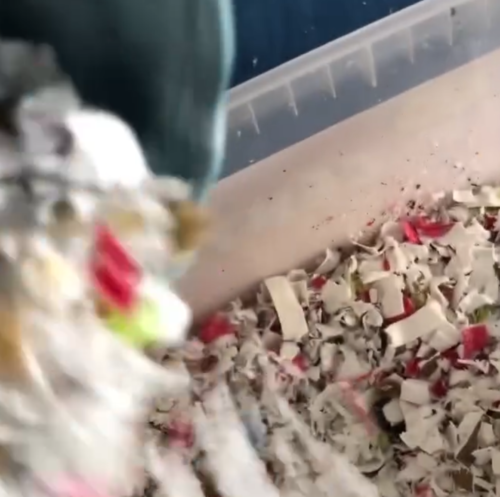
Gotland Garbage emphasizes understanding the properties of different plastics, particularly HDPE and PP, and the techniques required to process them. The initiative also explores methods for cleaning and preparing contaminated plastics, as demonstrated in their project recycling disposable face masks.
Green Entrepreneurial Skills
By creating marketable products from waste, Gotland Garbage fosters entrepreneurial skills and awareness of market potentials. The initiative also navigates regulatory considerations, ensuring products meet safety and quality standards.
Creativity and Innovative Solutions
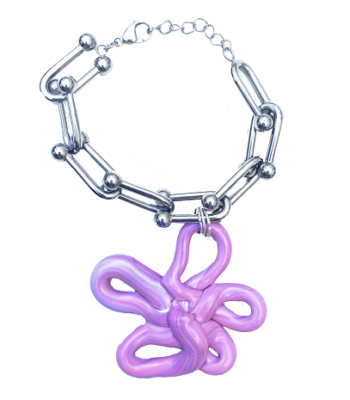
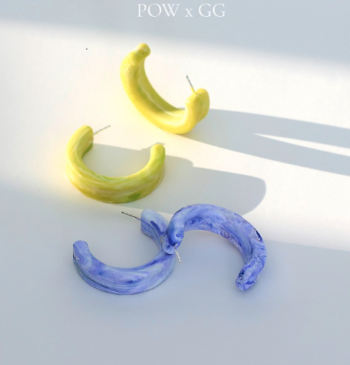
Gotland Garbage transformation of waste into unique products like jewelry and home decor exemplifies innovative reuse. Collaborations with fashion brands and participation in events like Paris Fashion Week highlight the aesthetic integration of recycled materials.
Methodological approach to implement the practice
Process description – step by step instructions for implementing the practice
- Identify and collect local plastic waste with support from the community.
- Sort by plastic type and color, clean thoroughly and test melting/shaping.
- Design and prototype small products.
- Highlight the material’s origin and transformation through storytelling at local shops, tourism partners, and online.
- Offer workshops or educational activities to involve others and raise awareness.
- Continuously refine materials, designs, and partnerships.
Information and inspiration are drawn from the Precious Plastic network and collaborations with designers and institutions. Implementation time varies depending on product complexity and project scope.
It took about 2 years of experimenting to get the right set up for production and collaborations to be economically self sustainable. As an example, locally sourced snus cans, made from polypropylene (PP), are a recurring material stream due to Sweden’s domestic tobacco consumption. As the black and white snus cans behave differently during heating and forming it required hands-on testing and process adjustments to work with the material.
Related Resources that have been developed
Resources include design templates, educational materials for workshops, and documentation of recycling techniques. These resources support both production and educational outreach.
End product
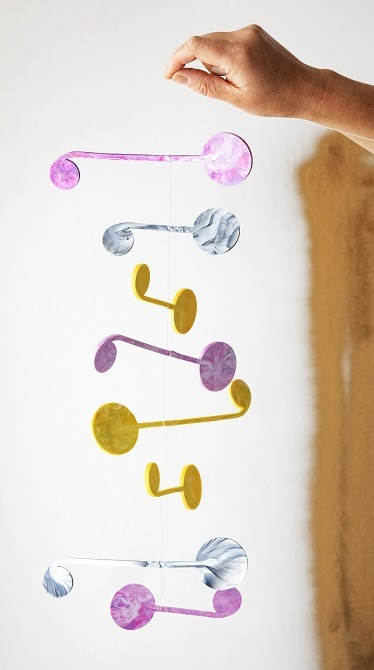
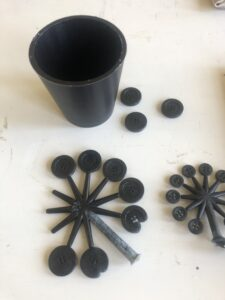
The end products range from fashion accessories to home decor items, all crafted from recycled plastics. Each item is unique, reflecting the handcrafted nature of the production process.
Sources of funding for this intervention
- Government Grants: Support from Region Gotland and Leader Gute.
- Private Collaborations: Partnerships with businesses contribute to project financing.
- Sales Revenue: Income generated from product sales supports ongoing operations and inspirational speaker assignments.
Innovation, novel methods or technologies used
The initiative stands out by integrating traditional craftsmanship with modern recycling techniques. The use of local waste materials to create high-quality products demonstrates a novel approach to sustainability and design.
Obstacles and challenges faced
Challenges include sourcing consistent quality waste materials and scaling production while maintaining artisanal quality. Addressing these challenges involves continuous research and adaptation of techniques.
The networks (Precious Plastics) has tutorials online. Leveraging Instagram and Youtube to (fail and) learn. Having hands on mentorship would have been highly valuable to reduce the time failing and experimenting with the materials.
Steps further and plans for the future
Gotland Garbage and Linda aspire to continue as a shining example! Plans involve increasing production capacity with new partnerships and projects, expanding educational programs/speaker assignments on how to set up small scale production and inspire new product ideas. Continued collaboration with designers and institutions is also a focus. Currently preparing to get showcased at the Gotland Museum. To meet higher demands, there are opportunities for collaboration within the Precious Plastic and Plasticpreneur community.
Key impacts – environmental, economic & social
- Environmental: Reduction in local plastic waste through recycling.
- Economic: Creation of new market opportunities for recycled products.
- Social: Empowerment of individuals through skill development and employment opportunities.
Qualities and criteria’s to consider the practice effective,
efficient, sustainable, transferable
Overview
Effectiveness: How well does the practice achieve its goals?
Efficiency: Does the practice minimize resources while maximizing outputs?
Sustainability: Does the pratcice
contribute to environmental protection, social equality and long- term viability?
Transferability: Are the methods transferable in different contexts?
Required Competences for the best practice
implementation
Activities-to-competences mapping
Associated competences
Knowledge
Skills
Attitudes
Training needs required for successful implementation
- Recycling techniques for different plastic materials
- Product design
- Business skills
Lessons learned
- Be open to and look for mentorship and training on how to recycle different plastic materials. It would have saved a lot of time! (With years of experimenting, this is something Gotland Garbage can provide.)
References / links:
- Gotland Garbage Instagram (Swedish): instagram.com/gotlandgarbage
- Retailer with info on the practice (Swedish): powstudio.se/shop/p/rehooppurplewave
- Press (Swedish): helagotland.se 1 & 2 mynewsdesk.com/se/sundaysolutions/pressreleases/gotlaendskt-plastskraepsmyckar-paris-fashion-week-3132720