
HolyPoly

Overview

SCROLL DOWN FOR MORE!
Country
Type of organization
Number of employees
Type of practice
Level of investment
Activity type
Key words

Summary

HolyPoly GmbH, based in Dresden, is a sustainability-focused company specializing in closed-loop plastic recycling systems for brands. It offers endto- end services through two core programs: “Take Back,” which designs and operates custom systems for collecting post-consumer plastic waste, and “Make Use,” which transforms that waste into high-quality, market-ready products.
Background and origin
HolyPoly was founded in Dresden as a response to the growing mismatch between the demand for recycled plastics and the lack of infrastructure to process complex plastic waste. The team brings together experts in plastics engineering, industrial design, compliance, and sustainability communication, aiming to close material loops in ways that are both technically sound and publicly engaging. With support from public funding (like the ESF) and crowdinvesting, HolyPoly has evolved from a niche consultancy into a prominent force in the German circular economy landscape.
Relevance to the craft sector
Material focus – type of waste material involved
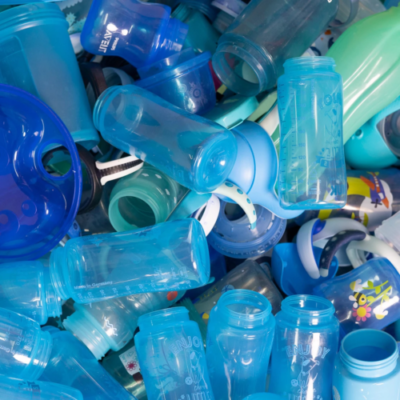
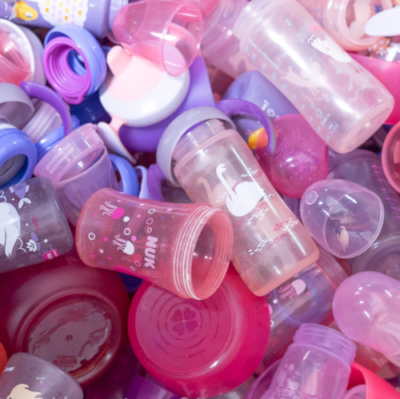
HolyPoly focuses on transforming challenging plastic waste streams into valuable new products, especially those typically excluded from standard recycling. This includes post-consumer items like pacifiers, toys, and branded packaging, collected through take-back campaigns with partners like NUK and Mattel. The company also works with technical plastics from appliances such as washing machines and dishwashers – materials like PP, ABS, and PC that are often discarded despite their high quality.
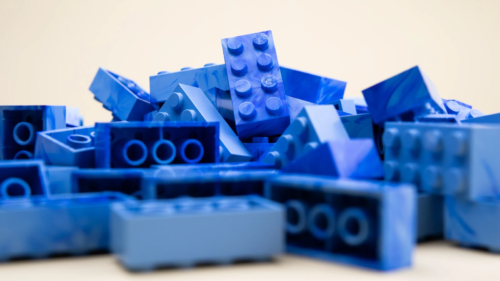
Their ESF-funded project targets these complex plastics, aiming to create scalable closed-loop systems. They also collaborate with partners like Got Bag to repurpose ocean-impact plastics, and with Soulbottles to turn recycled ABS from fridges into safe, toy-grade bricks. What sets HolyPoly apart is their ability to adapt design and processing to imperfect or mixed materials – an approach highly relevant to the craft sector, where resourcefulness and sustainability go hand in hand.
Target groups
- Brands and manufacturers seeking to adopt circular practices
- Craft and design businesses interested in using recycled materials
- Sustainability consultants and product developers
- Environmental educators and campaign managers
Stakeholders involved
HolyPoly works with brands (e.g. NUK, Mattel, Soulbottles), consumers, recyclers, retailers, logistics partners, public funders (like ESF), and private investors to create closed-loop recycling systems.
Professionals involved and their roles
Their team includes plastics engineers (material testing),
designers (product development),
mechanical engineers (tooling and production),
sustainability experts (compliance, LCA),
marketing specialists (public engagement),
and logistics coordinators (collection and supply chain).
Connection of the practice with the project-identified needs
Knowledge of Waste Materials
HolyPoly demonstrates a strong knowledge of waste materials, particularly complex and post-consumer plastics that are often overlooked. Their team of engineers and material scientists carefully assesses the composition and recyclability of each plastic type, ensuring safe and effective reuse. This expertise allows them to create high-quality products even from contaminated or mixed waste streams.
Green Entrepreneurial Skills
By integrating waste collection, material processing, product design, and public engagement, HolyPoly builds scalable circular systems that generate both environmental and economic value. Their partnerships with major brands and use of public funding show how sustainable business models can thrive with the right strategy and collaboration.
Creativity and Innovative Solutions
Creativity and innovation are central to HolyPoly’s work. They develop custom solutions, like turning pacifiers into toys or fridge plastic into educational bricks, that connect recycling with emotional and functional value. These design-led approaches make sustainability tangible and inspire craft businesses to see waste as a creative resource.
Methodological approach to implement the practice
Process description – step by step instructions for implementing the practice
The process begins when a brand approaches HolyPoly for help with recycling their plastic waste. Together, they identify which products or materials could be part of a closed-loop system: anything from used toys to appliance plastics.
HolyPoly then designs a custom take-back strategy, manages collection logistics, and tests the materials for reuse. Their team develops new product concepts tailored to the recycled plastic, oversees prototyping and tooling, and ensures everything meets safety and sustainability standards.
Once a viable product is ready, they help scale production and launch public-facing campaigns that tell the story behind the recycled material – making the process both functional and emotionally engaging.
Related Resources that have been developed
Resources Developed
- Awareness campaigns (e.g. NUK’s “Soother Monster”)
- Life Cycle Assessments, safety docs, and design files
- Case studies of recycling success
- Toolkits for circular product development
- Internal systems for tracking, sorting, and quality control
End product
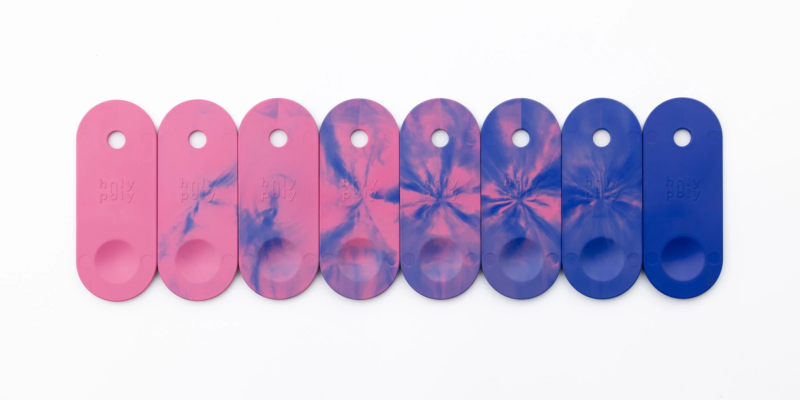
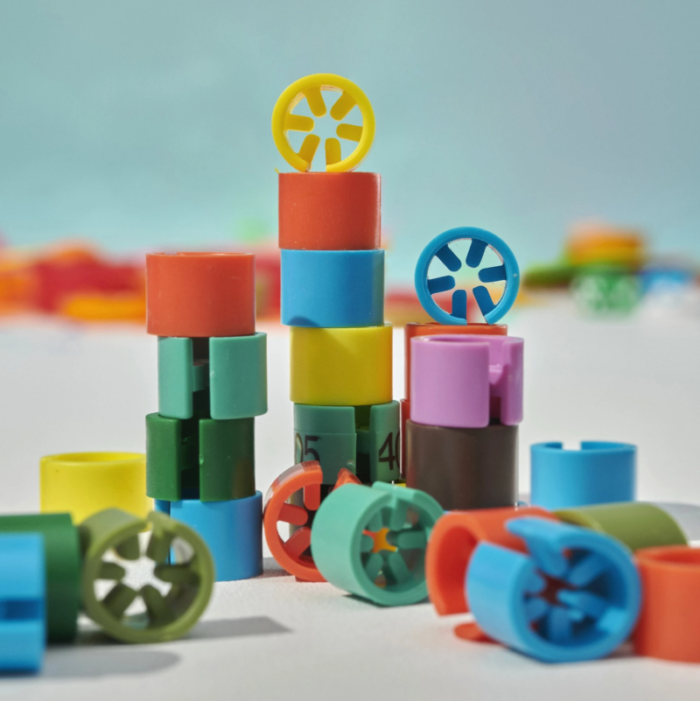
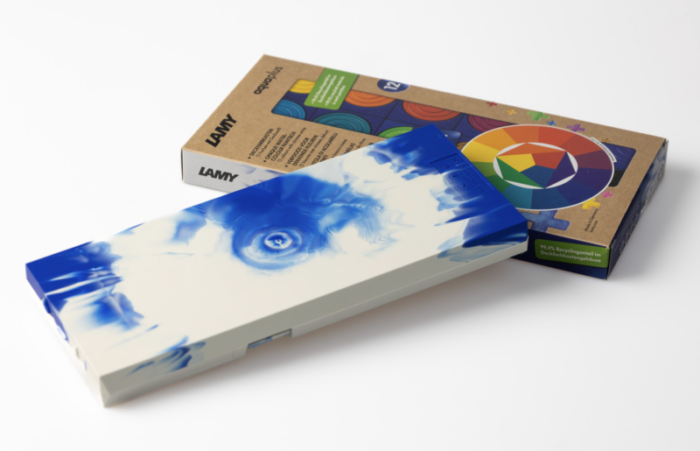
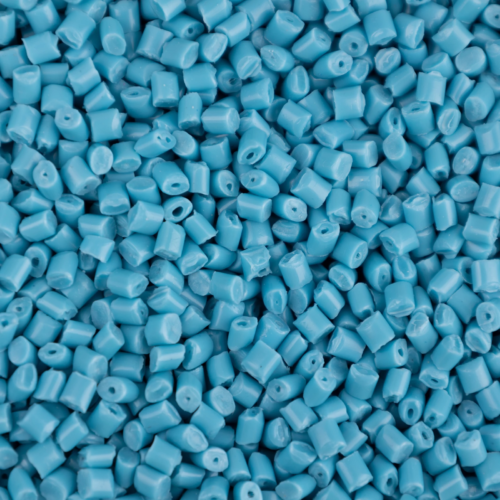
The final outcome varies by project but always involves a new, functional product made from recycled plastic, often with strong storytelling value.
Examples include:
- Sand toys made from old baby bottles and pacifiers (NUK)
- Toy-safe plastic bricks from recycled fridge ABS (Soulbottles)
- Backpack buckles from ocean-impact and post-consumer PP (Got Bag)
- Recycled plastic items used in educational or promotional campaigns
Sources of funding for this intervention
HolyPoly is supported through a mix of public funding, notably an ongoing ESF (European Social Fund) project, and private investment, including a successful crowdinvesting campaign via ROCKETS in 2023. Client brands also fund projects directly through service contracts.
Innovation, novel methods or technologies used
Obstacles and challenges faced
Key challenges include the complexity of plastic waste, especially from mixed or contaminated sources, and the lack of infrastructure to process technical plastics. Convincing brands to invest in long-term circular systems over shortterm solutions is also an ongoing hurdle.
Steps further and plans for the future
HolyPoly plans to expand its work on technical plastics from household appliances, develop more scalable closed-loop models, and grow its international client base. They also aim to create more standardized toolkits to make circular design accessible to more businesses.
Key impacts – environmental, economic & social
Qualities and criteria’s to consider the practice effective,
efficient, sustainable, transferable
Overview
Effectiveness: How well does the practice achieve its goals?
Efficiency: Does the practice minimize resources while maximizing outputs?
Sustainability: Does the pratcice
contribute to environmental protection, social equality and long- term viability?
Transferability: Are the methods transferable in different contexts?
Required Competences for the best practice
implementation
Activities-to-competences mapping
Associated competences
Knowledge
Skills
Attitudes
Training needs required for successful implementation
- Basics of plastic types and recyclability
- Circular product design and sustainable manufacturing
- Logistics and system planning for takeback schemes
- Communication and storytelling for public engagement
Lessons learned
- Tailored solutions work better than one-size-fits-all recycling models
- Public involvement increases recycling success and brand impact
- High-quality recycled products require both technical and creative input