
WIPA Werkzeug- und Maschinenbau GmbH
Overview

SCROLL DOWN FOR MORE!
Country
Type of organization
Number of employees
Type of practice
Level of investment
Activity type
Key words

Summary

WIPA Werkzeug- und Maschinenbau GmbH, established in 1994 and headquartered in Stadtlohn, Germany, specializes in designing and manufacturing customized recycling machinery and systems for plastic processing. Their product range includes shredders, washing systems, friction washers, and drying units, catering to both clean production waste and contaminated post-consumer plastics. WIPA’s commitment to innovation and sustainability has positioned them as a global partner in the recycling industry, providing efficient and durable solutions that give plastics a new lease on life.
Background and origin
Founded by Johannes Wissing, WIPA began with the development of the Plast Compactor series, addressing the need for efficient plastic processing solutions. Over the years, the company expanded its product line to include comprehensive recycling systems, emphasizing the importance of sustainable waste management. WIPA’s growth reflects the increasing global demand for effective recycling technologies that support circular economy principles.
Relevance to the craft sector
Material focus – type of waste material involved
- Post-consumer plastics, including common types like LDPE (lowdensity polyethylene), HDPE (highdensity polyethylene), and PP (polypropylene).
- Contaminated plastics, which require extensive cleaning, separation, and drying – WIPA provides integrated washing lines to handle these materials effectively.
- Clean production waste from industrial processes, such as offcuts, scrap, and leftover plastic components.
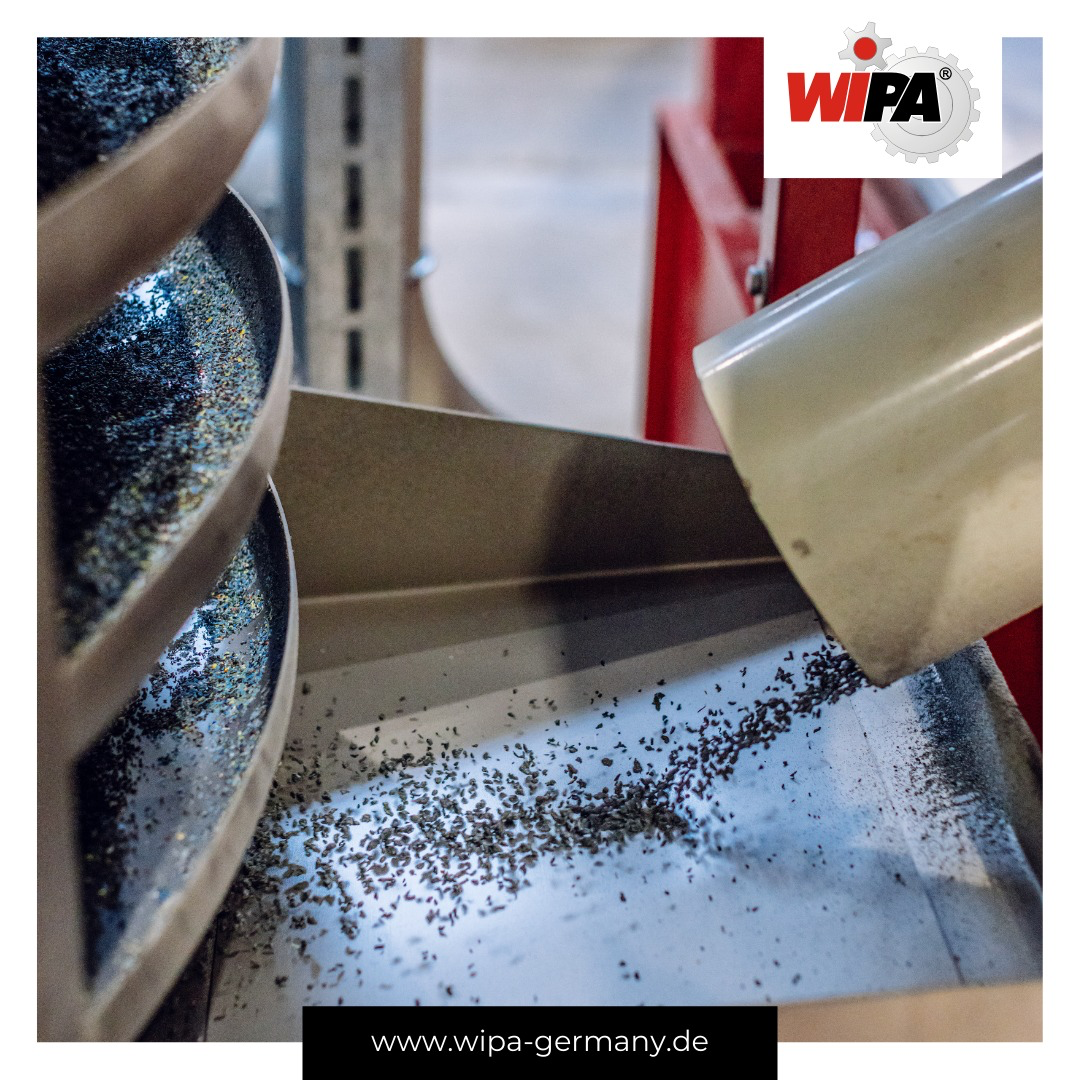
Their machinery supports the entire recycling chain, from shredding and separating to washing and drying, making it suitable for both simple and highly contaminated plastic streams. The goal is to transform plastic waste into high-quality regranulate or material suitable for reuse in new production cycles.
Target groups
- Plastic processing companies seeking efficient recycling solutions
- Artisans and crafters interested in sustainable materials
- Educational institutions promoting environmental awareness
- Community organizations focused on waste reduction
Stakeholders involved
Professionals involved and their roles
- Engineers design and optimize modular recycling systems.
- Technicians handle assembly, testing, and maintenance.
- Trainers provide client onboarding and technical instruction.
- Sales and project managers manage customer relations and tailor solutions to waste processing needs
Connection of the practice with the project-identified needs
Knowledge of Waste Materials
WIPA supports Knowledge of Waste Materials by offering systems that help users understand different plastic types, including how to clean and process contaminated plastics efficiently.
Green Entrepreneurial Skills
It fosters Green Entrepreneurial Skills by providing scalable, energy-efficient recycling solutions that enable businesses to create sustainable models and comply with environmental regulations.
Creativity and Innovative Solutions
Methodological approach to implement the practice
Process description – step by step instructions for implementing the practice
To implement WIPA’s recycling system, the process begins with assessing the type and volume of plastic waste and the desired output quality.
Based on this, WIPA designs a customized recycling solution tailored to the client’s needs. Once approved, the system is manufactured, assembled, and installed onsite.
WIPA provides technical support and staff training to ensure proper operation and maintenance. Clients receive manuals and ongoing assistance.
The time needed for full implementation depends on the system size and complexity, typically ranging from a few weeks to several months. Most information and expertise come directly from WIPA’s in-house engineering and technical teams.
Related Resources that have been developed
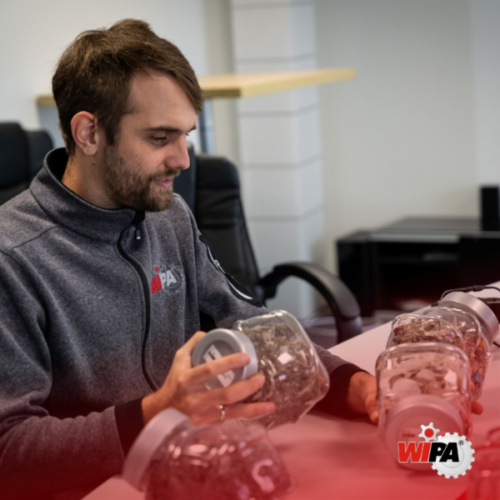
End product
- Machinery for plastic recycling.
- Other end product of WIPA’s process is high-quality recycled plastic material suitable for reuse in various industries. This material can be transformed into components for manufacturing, packaging, construction, and notably, the craft sector, where it serves as a sustainable base for creating decorative, functional, or artistic items.
- By making clean, consistent recycled plastic accessible, WIPA supports artisans, designers, and small producers in integrating circular materials into their creative work, promoting both environmental responsibility and material innovation in the crafts field.
Sources of funding for this intervention
Primarily privately funded through company revenues and investments.
Innovation, novel methods or technologies used
WIPA’s innovation lies in its modular and customizable recycling systems designed to process a wide range of plastics, including contaminated and postconsumer waste. These systems are engineered for energy efficiency, high throughput, and adaptability, allowing clients to tailor equipment configurations to their specific waste streams.
Novel features include integrated washing and drying lines, enabling complete in-house plastic processing, and friction washers that improve cleaning performance without excessive water use. This full-cycle approach, from shredding to drying, sets WIPA apart by combining durability, sustainability, and process flexibility.
Steps further and plans for the future
WIPA aims to expand its production facilities and workforce, continuing to innovate in recycling.
Key impacts – environmental, economic & social
- WIPA’s recycling practices have significant environmental, economic, and social impacts.
- Environmentally, they help reduce plastic waste, lower carbon emissions, and support the circular economy by converting discarded plastics into reusable materials.
- Economically, the company creates skilled jobs and supports green entrepreneurship by enabling cost-effective recycling solutions for businesses.
- Socially, WIPA contributes to skill development and provides access to sustainable materials for creative and educational use, with the potential to empower communities and promote environmental awareness through local initiatives.
Qualities and criteria’s to consider the practice effective,
efficient, sustainable, transferable
Overview
Effectiveness: How well does the practice achieve its goals?
Efficiency: Does the practice minimize resources while maximizing outputs?
Sustainability: Does the pratcice
contribute to environmental protection, social equality and long- term viability?
Transferability: Are the methods transferable in different contexts?
Required Competences for the best practice
implementation
Activities-to-competences mapping
Associated competences
Knowledge
Skills
Attitudes
Training needs required for successful implementation
Successful implementation requires training in machine operation, maintenance, and safety, as well as understanding plastic materials and recycling processes. Basic digital skills are needed for using control systems, along with knowledge of sustainability principles and environmental compliance.