
Sodesa

Overview

SCROLL DOWN FOR MORE!
Country
Type of organization
Number of employees
Type of practice
Level of investment
Activity type
Key words

Summary

SODESA is a pioneering SME based in Euskadi, Spain, dedicated to producing sustainable packaging solutions from 100% recycled raw materials. Founded in 1974, the company has built a strong reputation for its commitment to the circular economy and environmental sustainability, focusing on replacing virgin materials with recycled alternatives. This approach has enabled SODESA to significantly reduce CO₂ emissions and support resource conservation across the packaging industry.
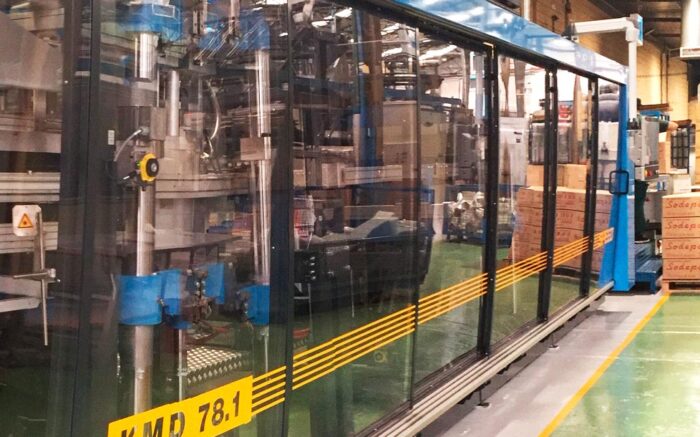
The company specializes in a wide range of packaging products, especially for the food sector, using advanced processes to transform recycled plastics – mainly PET – into mono-material and multi-layer packaging solutions. In 2023, SODESA recycled over 550 million bottles and produced more than 500 million packaging units, demonstrating its large-scale impact and efficiency in turning waste into valuable new products.
Background and origin
SODESA was founded in 1974 by private investors with a clear mission to reduce waste and environmental impact through innovative packaging solutions. From its beginnings, the company focused on developing processes that would allow the production of high-quality packaging entirely from recycled materials, supporting the emerging circular economy in the Basque region and beyond.
Over the decades, SODESA has continuously invested in recycling technology and material science to stay at the forefront of sustainable packaging. By replacing virgin materials with recycled alternatives, the company has helped industries lower their carbon footprint while proving that eco-friendly packaging can meet the same standards of durability and performance as conventional products
Relevance to the craft sector
Its commitment to using recycled plastics can inspire craftspeople, artists, and educational institutions to adopt sustainable materials and packaging practices. By showcasing the viability and quality of recycled packaging, SODESA encourages craft makers to consider recycling their own plastic waste or partnering with companies like SODESA to support circular economy goals and reduce their environmental impact.
Material focus – type of waste material involved
SODESA focuses on using 100% recycled raw materials for its packaging products, with an emphasis on recycled plastics, especially PET. The company processes a variety of recycled plastics, transforming waste such as used bottles into new packaging solutions, including mono-material and multi-layer PET packaging. This strategy not only diverts significant amounts of plastic waste from landfills but also supports a closed-loop, circular production model.
Additionally, SODESA explores alternatives like recycled paper-based materials to complement its plastic packaging range. By prioritizing recycled inputs, the company significantly reduces reliance on virgin materials, decreases CO₂ emissions, and advances sustainability throughout the packaging value chain.
Target groups
- Industries needing sustainable packaging
- Eco-conscious businesses
- Food sector companies
- Government and regulatory bodies focused on sustainability
Stakeholders involved
Professionals involved and their roles
- Engineers: Develop and improve sustainable packaging technologies
- Environmental specialists: Ensure compliance with environmental and sustainability standards
- Production teams: Manufacture recycled packaging materials
- Quality control staff: Oversee product durability and standard
Connection of the practice with the project-identified needs
Knowledge of Waste Materials
SODESA demonstrates advanced knowledge of waste materials, especially plastics, by applying sophisticated recycling techniques and understanding the properties and handling requirements of different recycled materials. This expertise allows them to produce high-quality packaging exclusively from recycled inputs, ensuring both environmental and product performance standards are met.
Green Entrepreneurial Skills
Creativity and Innovative Solutions
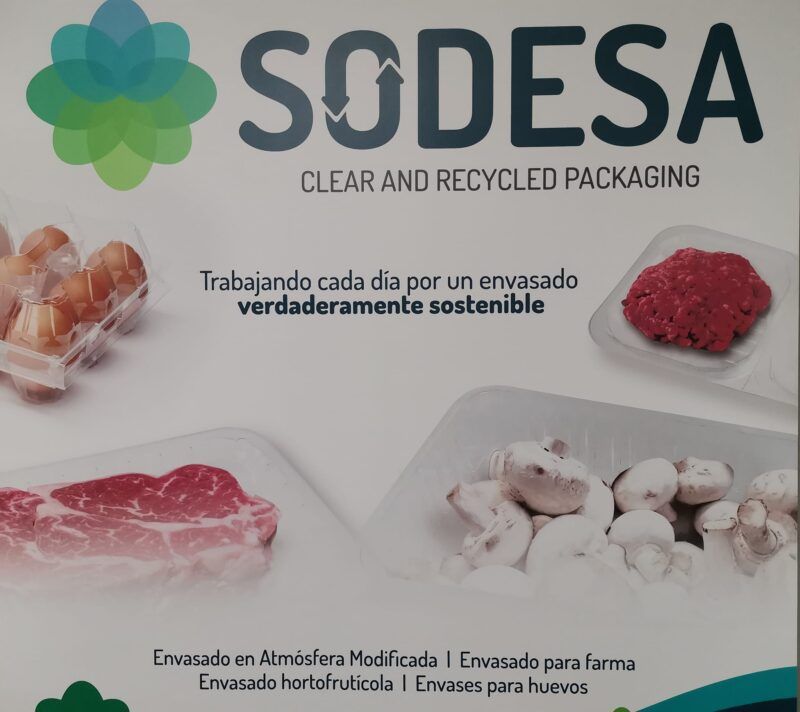
SODESA applies creativity and innovation by developing packaging alternatives that fully replace virgin materials, implementing a fully circular production process, and investing in low-energy, eco-friendly material processing. Their ongoing research into new sustainable materials and packaging designs keeps them at the forefront of the industry’s environmental transition.
Methodological approach to implement the practice
Process description – step by step instructions for implementing the practice
SODESA’s process begins with the collection and sourcing of 100% recycled raw materials, primarily plastics like PET. These materials are processed in specialized recycling facilities, where they are cleaned, sorted, and transformed into packaging components. Engineers and production teams then use advanced manufacturing techniques to create a range of mono-material and multi-layer packaging products.
Throughout production, rigorous quality control is applied to ensure that the packaging meets industry standards for durability, safety, and usability. The final products are distributed to businesses needing sustainable packaging solutions, closing the loop in a circular economy model and reducing environmental impact at each stage
Related Resources that have been developed
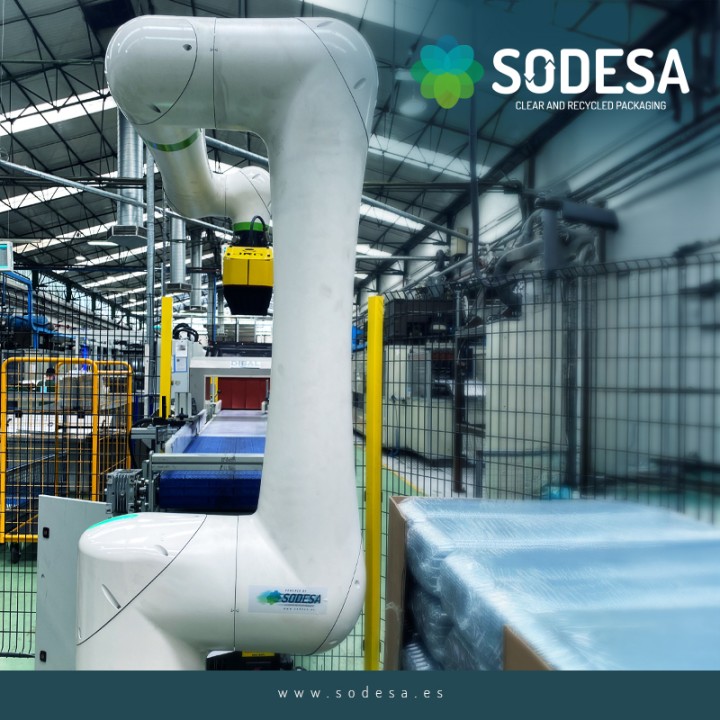
SODESA has developed and invested in advanced recycling and processing facilities, as well as ongoing research and development programs focused on sustainable materials. These resources support the company’s ability to efficiently transform recycled plastics into high-quality packaging and continuously innovate new eco-friendly solutions to meet evolving market demands.
End product
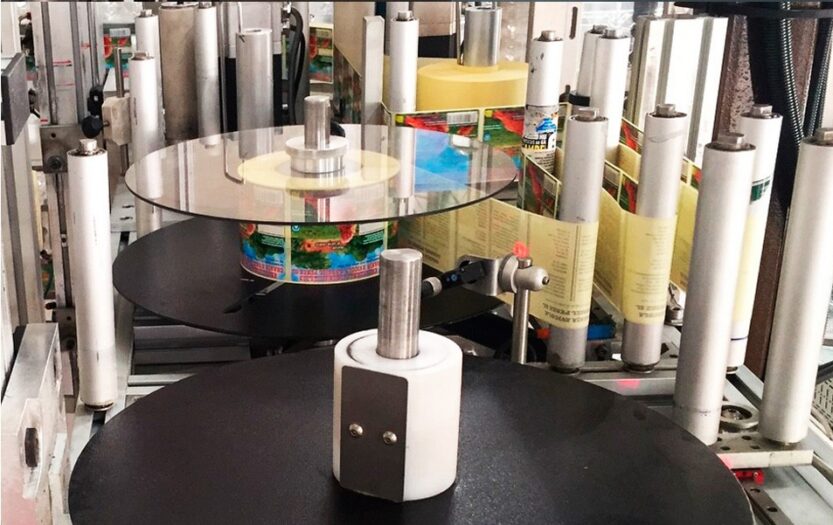
The main end products from SODESA are high-quality packaging materials made entirely from recycled raw materials, primarily PET plastics. These products include a wide range of packaging solutions for the food industry and other sectors, such as mono-material PET packaging with high sealing capacity, multi-layer PET-PE packaging, and fully recycled packaging with secure adhesives.
By offering packaging that meets strict quality and durability standards while significantly reducing environmental impact, SODESA helps clients lower their carbon footprint and align with sustainability goals. The company’s products are fully recyclable, supporting a closed-loop system and demonstrating that recycled materials can achieve both performance and ecological objectives.
Sources of funding for this intervention
SODESA’s activities are funded mainly through private investment and industry partnerships, rather than government grants or crowdfunding.
Innovation, novel methods or technologies used
SODESA’s innovation lies in its fully circular production process, where 100% recycled plastics are used to create new packaging solutions without relying on virgin materials. The company also employs low-energy, eco-friendly material processing techniques that help minimize environmental impact throughout the manufacturing cycle.
Additionally, SODESA continuously invests in research and development to improve its packaging materials and processes. This includes exploring biodegradable alternatives and advancing recycling technology to meet changing market and regulatory requirements, ensuring that their products remain at the forefront of sustainability in the packaging industry.
Obstacles and challenges faced
SODESA faced major challenges with the initial investment required for advanced recycling technology and large-scale machinery, demanding longterm financial planning and technical expertise. Additionally, convincing clients to switch from traditional to sustainable packaging required targeted communication and education efforts. These obstacles highlighted the need for ongoing stakeholder engagement and continuous optimization of recycling processes.
Steps further and plans for the future
Key impacts – environmental, economic & social
SODESA’s key impacts include significant environmental benefits through CO₂ emission reduction and resource conservation by replacing virgin materials with recycled ones. Economically, the company provides cost-effective, high-quality packaging solutions that support businesses’ sustainability goals. Socially, SODESA increases awareness of sustainable packaging and promotes a circular economy model within the industry and broader community.
Qualities and criteria’s to consider the practice effective,
efficient, sustainable, transferable
Overview
Effectiveness: How well does the practice achieve its goals?
Efficiency: Does the practice minimize resources while maximizing outputs?
Sustainability: Does the pratcice
contribute to environmental protection, social equality and long- term viability?
Transferability: Are the methods transferable in different contexts?
Required Competences for the best practice
implementation
Activities-to-competences mapping
Associated competences
Knowledge
Skills
Attitudes
Training needs required for successful implementation
Lessons learned
- Recycling processes must be continuously optimized
- Collaboration with stakeholders enhances impact