
QUID

Overview

SCROLL DOWN FOR MORE!
Country
Type of organization
Number of employees
Type of practice
Level of investment
Activity type
Key words

Summary

Quid ‘ s relevance to the craft sector is significant on multiple levels:
Preservation of Artisan Skills: By collaborating with small local tailoring workshops and inclusive manufacturers, Quid supports the continuity of traditional craft techniques that might otherwise disappear in the face of industrial mass production.
Innovation in Ethical Production: Quid integrates craftsmanship with ethical employment practices, especially by engaging marginalized women, including those in correctional facilities. This shows that artisanal quality and social impact can go hand-in-hand.
Sustainable Craft Supply Chains: Through its network of sustainable microsuppliers and its Innesti district, Quid demonstrates how craft-based production can scale responsibly, promoting circular economy principles (e.g., reusing luxury textile surplus).
Replicable Model for Socially-Driven Craft Enterprises: Quid offers a replicable blueprint that other craft-based businesses can follow to integrate inclusive hiring, sustainable practices, and distributed production networks.
In essence, Quid reinvents the craft sector by proving that artisanal quality can thrive within modern, inclusive, and environmentally responsible business models.

Background and origin
Relevance to the craft sector
Material focus – type of waste material involved
High-quality textile surplus and deadstock fabrics sourced from:
- Major fashion and luxury brands
- Textile manufacturers
Types of Waste Materials:
- End-of-roll fabrics
- Overproduction batches
- Off-season or excess inventory materials
- Misprinted or slightly defective (but usable) textiles.
Sustainability Objective:
- Reduce textile waste by upcycling surplus materials into new fashion collections
- Promote a circular economy model within the fashion and craft sectors.
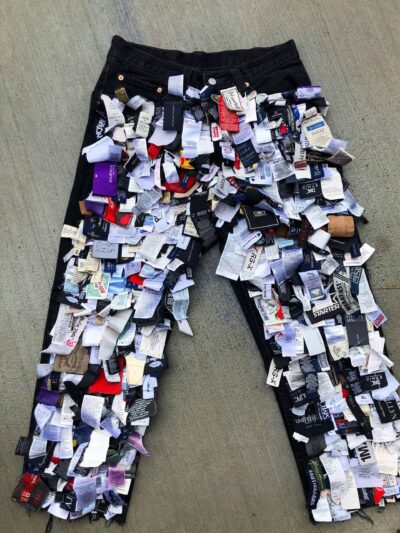
Quid transforms these waste materials into limitededition garments and accessories, maintaining both environmental responsibility and artisanal quality.

Target groups
The primary target group includes women from socially vulnerable backgrounds, such as survivors of violence, former inmates, and individuals with a history of addiction or marginalization. These women are offered training and employment opportunities within the QUID fashion production chain. This group is characterized by limited access to the labor market, low income, and a need for empowerment, social inclusion, and long-term stability.
The secondary target group consists of ethical consumers, primarily women aged 25–45, who are conscious of sustainability, social justice, and transparency in fashion. They are typically urban, well-educated, and value quality products with a positive social and environmental impact. These customers are drawn to QUID’s mission and the unique story behind each garment.
Stakeholders involved
The key implementers of project Quid are:
- Progetto Quid cooperative team
- Local and international fashion and textile companies (over 24 suppliers)
- Partner organizations such as Calzedonia, NaturaSì, L’Oréal
- Social sector organizations supporting vulnerable groups
Professionals involved and their roles
Founders and Executive Leadership
- Anna Fiscale (Founder & Former President) and Ludovico Mantoan (Cofounder), Visionaries behind Quid’s social and business mission
Social Workers and Inclusion Specialists
- Assess candidates from vulnerable backgrounds
- Design tailored integration pathways
- Provide ongoing support, mentorship, and conflict mediation
HR and Welfare Coordinators
- Manage inclusive hiring processes
- Oversee internal welfare programs like LIBERA-MENTE and leadership development initiatives like SHEWILL
Tailors, Dressmakers, and Production Staff
- Many from the target groups themselves
- Responsible for crafting garments using upcycled materials
- Work in internal labs or inclusive partner workshops
Designers and Product Developers
- Create fashion collections based on available surplus textiles
- Combine creativity with constraints posed by limited, variable material stocks
Training and Capacity-Building Experts
- Provide on-the-job training in tailoring and production
- Offer upskilling programs in leadership, digital literacy, and language for workers
Connection of the practice with the project-identified needs
Knowledge of Waste Materials
Knowledge of Waste Materials: Progetto Quid specializes in recovering and transforming textile waste – specifically production leftovers and excess fabrics from prestigious Italian brands – into new fashion items. This demonstrates deep expertise in handling and repurposing textile materials, akin to understanding waste material properties and processing techniques in recycling
Green Entrepreneurial Skills
Green Entrepreneurial Skills: Quid’s business model exemplifies green entrepreneurship by combining ethical fashion with circular economy principles. It operates scalable systems by partnering with over fifty companies to source materials sustainably and employs vulnerable people, ensuring social and regulatory compliance while creating value-added products from waste textiles
Creativity and Innovative Solutions
The company innovates by designing unique, limited-edition collections from diverse fabric remnants, turning what would be waste into fashionable, ethical clothing and accessories. This creative upcycling aligns with the need for innovative applications and aesthetic integration in sustainable fashion.
Methodological approach to implement the practice
Process description – step by step instructions for implementing the practice
- Sourcing surplus and end-of-series fabrics from Italian and European fashion companies
- Designing and producing limited-edition clothing and accessories collections
- Recruiting, training, and employing people from disadvantaged backgrounds
- Developing partnerships with for-profit and non-profit organizations
The social enterprise was founded by five schoolmates thanks to 15,000 euros provided by the San Zeno Foundation, which decided to support them after hearing about the dream they wanted to bring to life.
In its first year of operation, the enterprise employed two collaborators and recorded a turnover of €90,000. As of 2019, the organization operates from a dedicated facility comprising two proprietary warehouses, employs 120 staff members, and has achieved an annual turnover exceeding €3.5 million. The Quid brand is distributed through five proprietary retail outlets, over one hundred third-party retailers across Italy, and an ecommerce platform
Related Resources that have been developed
End product
Ethically produced fashion collections made from upcycled surplus textiles, including garments and accessories. These products are: Limited-edition, due to the variability of surplus fabrics; designed and produced by women from vulnerable or marginalized backgrounds; sold under the “Progetto Quid” or “QUID” brand. Distributed through:
- Quid’s own retail stores (Quid Stores)
- Multibrand boutiques across Italy
- An e-commerce platform
- Collaborative capsule collections with major fashion and lifestyle brands
Sources of funding for this intervention
Revenue reinvestment from sales
Innovation, novel methods or technologies used
Novel Methods and Approaches:
- Textile Upcycling at Scale: Quid transforms high-quality surplus fabrics from luxury and fashion brands into limited-edition fashion collections. This model is both environmentally and economically innovative, reducing textile waste while controlling raw material costs.
- Inclusive Employment Model: Integrates marginalized women into the workforce via tailor-made training, supported working conditions, and in-house welfare programs (e.g., LIBERA-MENTE, SHEWILL), blending social inclusion with fashion production.
- Decentralized Ethical Production Network (Innesti): Instead of centralizing manufacturing, Quid builds a distributed network of micro-suppliers – small tailoring labs and social cooperatives – creating a flexible and inclusive value chain.
- Agile, Mission-Driven Design: Designers adapt collections to the limitations of surplus material availability, forcing a high level of creativity and sustainability in product development.
Obstacles and challenges faced
Steps further and plans for the future
Key impacts – environmental, economic & social
The Quid brand is characterized by its extraordinary social impact. From the beginning the Cooperative decided to create an inclusive business model, offering employment opportunities to people otherwise excluded from the labor market such as immigrant women and women victims of trafficking, former drug addicts, disabled people, unemployed people over 50, former prisoners. The Cooperative has also established a collaboration with the tailor ‘ s workshop of the city jail, to offer a future perspective of work and social reintegration to prisoners, women and men
Qualities and criteria’s to consider the practice effective,
efficient, sustainable, transferable
Overview
Effectiveness: How well does the practice achieve its goals?
Efficiency: Does the practice minimize resources while maximizing outputs?
Sustainability: Does the pratcice
contribute to environmental protection, social equality and long- term viability?
Transferability: Are the methods transferable in different contexts?
Required Competences for the best practice
implementation
Activities-to-competences mapping
Associated competences
Knowledge
Skills
Attitudes
Training needs required for successful implementation
NA
Lessons learned
References / links:
- Website: www.progettoquid.com
- Email: info@progettoquid.com