
Nahaku - design studio

Overview

SCROLL DOWN FOR MORE!
Country
Type of organization
Number of employees
Type of practice
Level of investment
Activity type
Key words

Summary

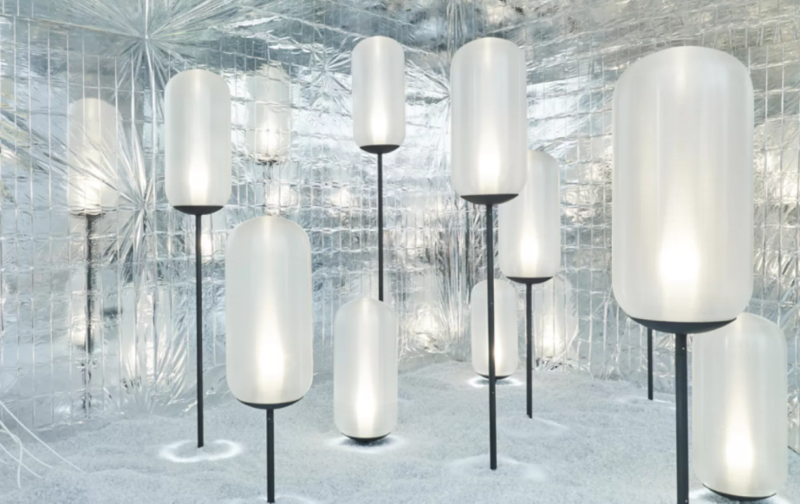
Nahaku Studio is a Czech creative studio based in Brno, known for its contemporary and multidisciplinary approach to sustainable design. The studio has gained recognition for its work that blends craftsmanship, eco-conscious materials, and innovative design techniques to create functional and aesthetically compelling objects. The studio emphasizes slow design and responsible material sourcing, aligning itself with broader values of circular economy and sustainability. One of Nahaku Studio’s standout features is its commitment to revitalizing traditional craft techniques by reimagining them through modern lenses. Their projects often combine elements of woodworking, ceramics, and textile work,integrated with modern production methods and minimalist design aesthetics. This hybrid approach allows Nahaku Studio to preserve elements of Czech craft heritage while addressing current societal and environmental challenges.
Background and origin
Co-founded in 2017 by Josef Rozehnal and Jakub Kraus, classmates of furniture design at the Mendel University in Brno, Studio Nahaku emerged from a desire to address the excessive production of waste, especially plastic waste, by transforming discarded materials into valuable design pieces. As Jakub left the studio later on, Josef is currently controls the reins of the studio’s activities and future endeavours.
The studio’s work highlights the importance of sustainability in design and encourages a shift towards more responsible consumption and production patterns.
Relevance to the craft sector
Studio Nahaku’s work is highly relevant to the craft sector as it demonstrates innovative ways to repurpose waste materials into high-quality, handcrafted products. Their approach combines traditional craftsmanship with modern design principles, showcasing the potential for sustainable practices within the craft industry.
Nahaku Studio creates handcrafted interior objects such as lamps, furniture pieces, and home accessories that combine natural materials like wood, clay, and textiles. Their products are minimalistic, functional, and often made from locally sourced or upcycled materials.
Material focus – type of waste material involved
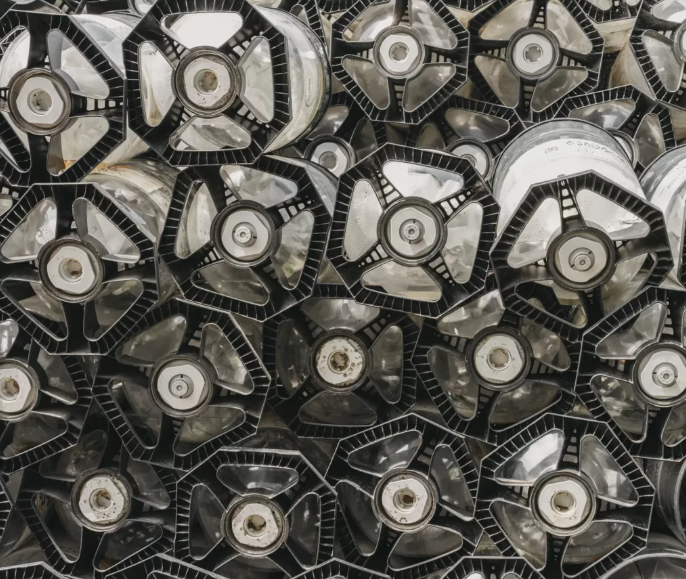
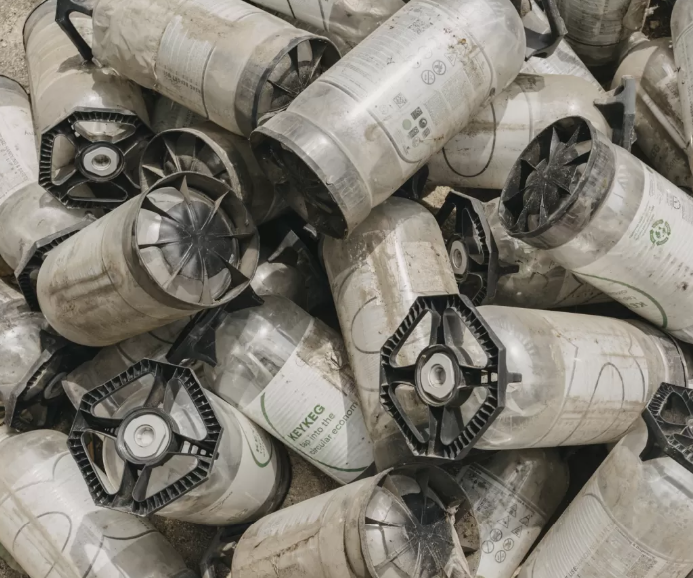
The studio focuses on upcycling various waste materials, including plastics, industrial waste, and defective products. The main material they use for their light installations are KeyKegs made from PET (polyethylene terephthalate) plastic.
KeyKegs consist of a grip ring, double-walled body, base cup and a bag-in-keg. The inner bag or bladder is usually made from metallized PET, the connection parts and the base cup from polypropylene (PP) plastic. KeyKegs come in 3 sizes, 10, 20 and 30 litres which also allows the studio to create various sizes to their light installations.
Target groups
- Environmentally conscious consumers looking for unique, eco-friendly products
- Businesses interested in sustainable design solutions and seeking innovative ways to manage production waste
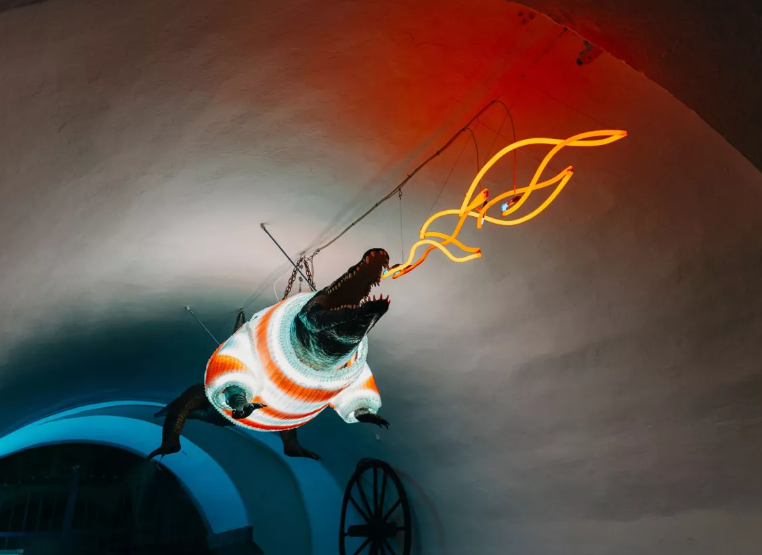
- Municipalities (for instance Brno, the second biggest city in the Czech Republic for which the Nahaku studio created upcycled Christmas decorations)
Stakeholders involved
- Businesses that supply waste materials,
- Clients commissioning sustainable designs,
- Broader community interested in environmental education.
The nature of their involvement ranges from providing raw materials to supporting and promoting sustainable design practices.
Professionals involved and their roles
- Designers and artisans who specialize in upcycling techniques.
They work together to conceptualize and create products, installations, and interiors that embody sustainable design principles.
Connection of the practice with the project-identified needs
Knowledge of Waste Materials
Studio Nahaku possesses in-depth knowledge of various waste materials, understanding their properties and potential for reuse. This expertise allows them to handle and transform materials effectively, ensuring safety and quality in their upcycled products.
Green Entrepreneurial Skills
The studio demonstrates green entrepreneurial skills by identifying market demand for sustainable products and creating scalable business models around upcycling. From a regulatory and compliance perspective, their approach sidesteps some of the complex legal requirements for plastic waste management by promoting direct reuse rather than reprocessing. This creates an accessible entry point for entrepreneurs who might lack the resources for complex regulatory compliance in traditional recycling operations.
Studio Nahaku possesses in-depth knowledge of various waste materials, understanding their properties and potential for reuse. This expertise allows them to handle and transform materials effectively, ensuring safety and quality in their upcycled products.
In terms of value-added products from plastic waste, Nahaku has strategically targeted lighting fixtures– items that can command significant market value compared to the cost of their waste materials. This demonstrates the critical green entrepreneurship skill of identifying which transformed waste products can generate the highest profit margins while addressing consumer demand for sustainable goods.
Creativity and Innovative Solutions
Creativity is central to Studio Nahaku’s practice. They develop unique applications for waste materials, such as transforming plastic waste into lighting installations and furniture. Their work integrates aesthetics and functionality, contributing to innovative solutions in sustainable design.
Methodological approach to implement the practice
Process description – step by step instructions for implementing the practice
Studio Nahaku’s process involves sourcing waste materials, often collaborating with businesses to obtain defective or discarded items. They then conceptualize designs that repurpose these materials, applying upcycling techniques to create new products. The implementation time varies depending on the project’s complexity and the materials involved. When it comes to turning KeyKegs into lights, a simple guide on how to do so is available for free on their website, allowing their innovation to address far more waste than a single studio could process, while still maintaining their position in the premium upcycled lighting market.
Related Resources that have been developed
The studio has developed a range of products and installations that serve as examples of successful upcycling. The main resource used is PET and PP. These
resources demonstrate the potential of waste materials in design and provide inspiration for sustainable practices.
End product
Studio Nahaku produces a variety of end products, including lighting installations, furniture, and decorative items, all created from upcycled materials. Rather than disguising the origin of their materials, they’ve embraced the unique properties of KeyKeg containers and elevated them through thoughtful design. For instance, in their product line PETing, they came up with 5 designs to their lights:
- „lil PETing“ – The smallest in their family of lights
- „PETing“ – Standard 20-liter version, described as slim and graceful
- „raisin of PETing“ – A hand-deformed organic version where each piece is unique
- „serious PETing“ – A sophisticated design with a cylindrical plate directing light downward, ideal for dining tables
- „heavy PETing“ – Their largest version made from 30-liter beer kegs, with limited availability
Specifically, the „raisin of PETing“ line, with its hand-deformed organic shapes, exemplifies how manual intervention can create unique artistic expressions from standardized waste.
Sources of funding for this intervention
The waste material is usually provided directly by the client and the client pays only for the service and final product.
Innovation, novel methods or technologies used
Studio Nahaku employs novel methods by integrating upcycling into mainstream design, differentiating itself from traditional design studios.
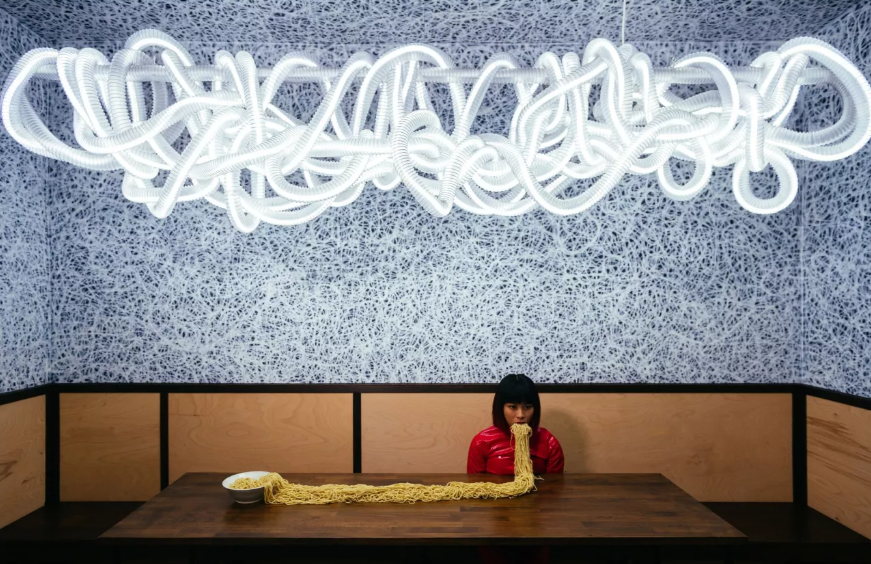
Their model exemplifies an innovative approach to scalable recycling systems by decentralizing the process. Rather than requiring large industrial infrastructure, they’ve designed a community-based approach where small workshops, makers, and local businesses can participate in the waste reduction ecosystem with minimal capital investment, making it particularly suitable for developing regions. A great example of another Nahaku’s creative innovation is PETing. The studio named their process of transforming the world’s largest disposable PET bottles into stylish upcycled luminaries as “PETing”, creating a catchy term for their own product development. By doing so, they distinguish themselves on the market and become more memorable among customers.
Unlike creating rPET fabric or 3D printing filament, which require extensive reprocessing, Nahaku’s technique preserves much of the original material integrity while completely transforming its function and perceived value.
Obstacles and challenges faced
The studio may face challenges such as sourcing consistent quantities of specific waste materials or changing public perceptions about products made from recycled content.
Steps further and plans for the future
Studio Nahaku can expand its impact by scaling up production, collaborating with more businesses or municipalities to manage waste, and continuing to educate the public on sustainability through design.
Key impacts – environmental, economic & social
Environmentally, the studio reduces waste by repurposing materials that would otherwise contribute to landfill. Economically, they create added-value products from discarded items. Socially, they raise awareness about sustainability and inspire responsible consumption.
Qualities and criteria’s to consider the practice effective,
efficient, sustainable, transferable
Overview
Effectiveness: How well does the practice achieve its goals?
Efficiency: Does the practice minimize resources while maximizing outputs?
Sustainability: Does the pratcice
contribute to environmental protection, social equality and long- term viability?
Transferability: Are the methods transferable in different contexts?
Required Competences for the best practice
implementation
Activities-to-competences mapping
Associated competences
Knowledge
Skills
Attitudes
Training needs required for successful implementation
- Education in sustainable design principles and upcycling techniques.
- Training in material science to understand the properties and potentials of various waste materials.
- Business and marketing skills to promote
sustainable products effectively.
Lessons learned
- Waste materials can be valuable resources when approached with creativity and sustainability in mind.
- Collaboration between designers, businesses, and the community is crucial for successful upcycling initiatives.
- Educating the public about sustainable consumption can lead to broader societal shifts towards environmental responsibility.
References / links:
- www.nahaku.studio/
- www.medium.seznam.cz/clanek/lina-klimarova-vbrne-maji-vanoce-na-draka-i-na-haku-drakobleceny-ve-svetru-je-hitem-33330
- www.archspace.cz/firmy-si-porad-neuvedomuji-zejejich-odpad-se-da-zhodnotit-rika-josef-rozehnal-znahaku
- www.forbes.cz/na-skladku-ne-nahaku-sbira-vefirmach-odpad-a-dela-z-nej-cistou-krasu/