
Kleiderly

Overview

SCROLL DOWN FOR MORE!
Country
Type of organization
Number of employees
Type of practice
Level of investment
Activity type
Key words

Summary

Kleiderly is a German startup that has developed the world’s first eyewear line made from recycled textile waste.
During a trip to Tanzania, Kleiderly’s founders saw first-hand where textile waste ends up. 87 % of all textiles used for clothing ends up in a landfill for over 200 years or gets burnt in an incinerator.
Kleiderly solves this by diverting these textiles and using them to replace plastics derived from crude oil. By doing so, Kleiderly creates a truly circular economy within the fashion industry using an award-winning, patent-pending process and puts unwanted textiles out of the waste stream.
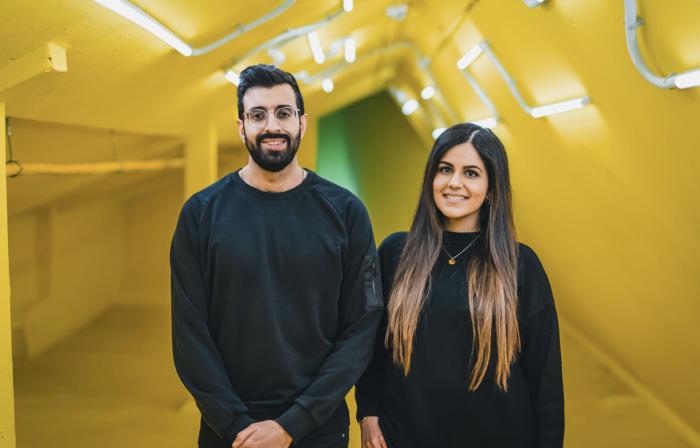
Kleiderly’s mission is to give textile waste another chance at a useful life. At the same time, Alina Bassi and her team want to sensitise people to a more conscious use of textiles.
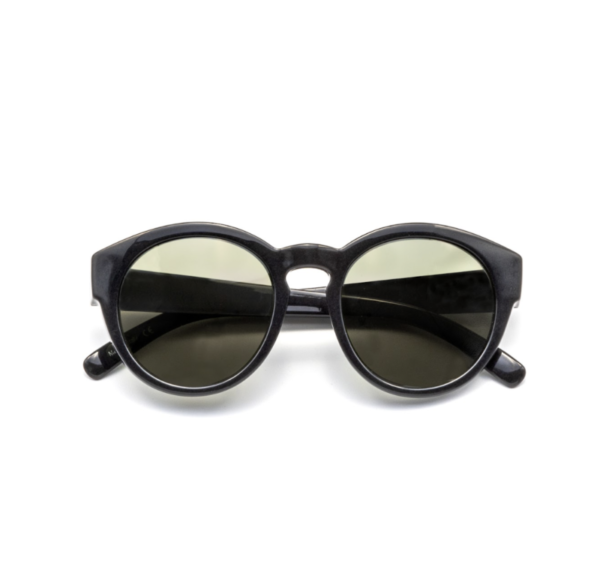
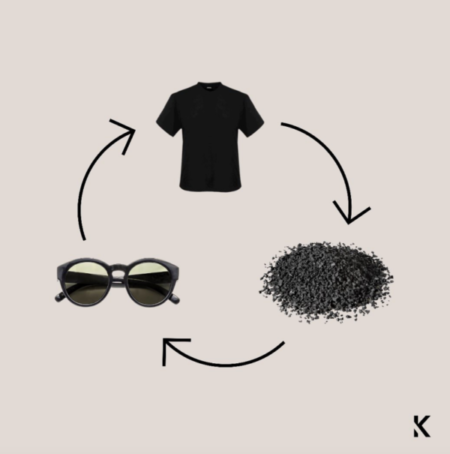
The start ups latest focus is an eyewear brand, as a tangible way for end consumers to understand how their t-shirts can now be their latest pair of sunglasses.
Background and origin
Kleiderly was founded in Berlin in response to the massive environmental impact of the fashion industry, particularly textile waste. Its founder, Alina Bassi, an engineer with experience in waste-to-energy and sustainability, started the company to create a circular solution for discarded clothing that typically ends up in landfills or incinerators.
Rather than focusing on resale or donation models, Kleiderly developed a patent-pending technology to turn non-reusable textile waste into a sustainable, recyclable plastic alternative. This material is then used to make durable products like sunglasses, clothes hangers, and furniture components.
The startup reflects a tech-driven approach to sustainability, blending material science and circular economy principles to tackle one of fashion’s most pressing challenges: post-consumer waste.
Relevance to the craft sector
Kleiderly’s innovation is highly relevant to the craft sector as it provides a new, sustainable material made from post-consumer textile waste. This plastic alternative can be used by designers, artisans, and makers who prioritize eco-friendly sourcing. Craftspeople can integrate Kleiderly’s material into furniture, fashion accessories, homeware, or upcycled art – offering a durable, customizable, and environmentally conscious medium. It aligns with the values of circular design, low-waste production, and local manufacturing.
Material focus – type of waste material involved
Kleiderly focuses on post-consumer textile waste, collecting unsellable, damaged, or discarded clothing from retail partners and collection systems across Germany.
A significant portion of this waste consists of mixed-fibre textiles, such as cotton-polyester or cotton-elastane blends, which are notoriously difficult to recycle using conventional methods. These blends often end up in landfills or incinerators due to their complex composition.
Through a patented process, Kleiderly is able to transform this mixed textile waste into a high-performance plastic alternative, which can be used to manufacture durable products like sunglasses, hangers, and furniture parts. By targeting hard-to-recycle clothing and giving it a second life, the company not only reduces landfill pressure but also lowers CO₂ emissions – up to 85% less compared to virgin plastics – offering a scalable, circular solution to fashion waste.

Target groups
- Eco-conscious designers and craftspeople looking for sustainable raw materials
- Small manufacturers and artisans working in product design (e.g. eyewear, furniture, home items)
- Educational institutions and craft schools teaching sustainability and circular design Green brands seeking to collaborate on low-impact product lines
- Sustainability-driven consumers interested in responsibly produced lifestyle goods
Stakeholders involved
- Clothing brands and retailers – provide unsellable or returned textiles
- Waste collectors and sorting partners – supply post-consumer textile waste
- Consumers – buy products made from recycled textiles, supporting circular practices
- Sustainability-focused investors – fund product development and scaling
Professionals involved and their roles
- Engineers – develop and refine the recycling process
- Material scientists – ensure quality and durability of the new material
- Designers – create end products like eyewear and furniture items
- Business developers – manage partnerships, sales, and outreach
- Communications experts – raise awareness and promote sustainable impact
Connection of the practice with the project-identified needs
Knowledge of Waste Materials
The practice is built on a deep understanding of textile waste—especially hardto- recycle mixed fibres. Their team demonstrates expertise in assessing, processing, and repurposing such materials into high-value alternatives.
Green Entrepreneurial Skills
Kleiderly demonstrates strong green entrepreneurship by transforming a waste problem – unrecyclable textiles, into a marketable, eco-friendly material. Their business model integrates sustainability, innovation, and product design, backed by awards, investor interest, and brand collaborations. They also focus on scalability and measurable environmental impact, such as CO₂ reduction.

Creativity and Innovative Solutions
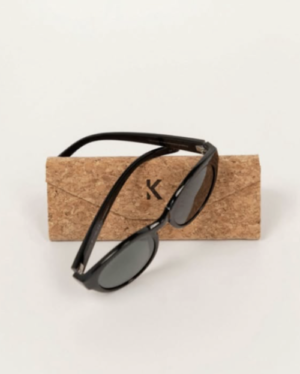
Their patented process converts mixed-fibre clothing waste into a durable plastic alternative, enabling new product applications like eyewear and furniture. This creative reuse of difficult materials, combined with thoughtful product design and storytelling, showcases high innovation in both material science and circular product development.
Methodological approach to implement the practice
Process description – step by step instructions for implementing the practice
1.Collection: Kleiderly collects clothing from retailers and local charities. The collected textiles are then pre-sorted.
2.Process: The pre-sorted clothing undergoes a low-energy processing step using Kleiderly’s patent-pending technology.
3.Material Creation: The processed textiles are then converted into a unique, circular, and sustainable material that serves as an alternative to oil-based plastics.
4.Product Manufacturing: This newly created material can then be used to produce various products for businesses that aim to be more sustainable. An example provided is the world’s first eyewear line made from recycled textiles.
Related Resources that have been developed
- Patent-pending processing technology
- In-house product lines (e.g. sunglasses, hangers)
- Awareness materials (blog, impact reports, educational content)
- Material samples and B2B collaboration offers
End product
- Eyewear (e.g. sunglasses)
- Clothing hangers
- Furniture parts
- Custom B2B products made from their recycled textile material
Sources of funding for this intervention
Kleiderly is funded through a mix of venture capital, European innovation grants, and award prizes from competitions such as the European Social Innovation Competition and Green Product Award. Early-stage support also came through accelerators like Lafayette Plug & Play.
Innovation, novel methods or technologies used
The core innovation lies in Kleiderly’s patent-pending process that transforms mixed-fibre textile waste, typically unrecyclable, into a durable, recyclable plastic alternative. This material can be used in manufacturing various consumer goods, reducing reliance on virgin plastics.
Obstacles and challenges faced
Key challenges include handling the complexity of mixed-textile compositions, scaling production while maintaining quality, and raising public and industry awareness about alternative materials. Establishing efficient collection and sorting systems for waste textiles also remains a logistical hurdle.
Steps further and plans for the future
Key impacts – environmental, economic & social
- Environmental: Up to 85% CO₂ savings compared to virgin plastics; major landfill diversion of textile waste.
- Economic: Creation of a new market for recycled textile-based materials; opportunities for sustainable product lines.
- Social: Promotes circular economy thinking, supports conscious consumer behavior, and creates jobs in green innovation.
Qualities and criteria’s to consider the practice effective,
efficient, sustainable, transferable
Overview
Effectiveness: How well does the practice achieve its goals?
Efficiency: Does the practice minimize resources while maximizing outputs?
Sustainability: Does the pratcice
contribute to environmental protection, social equality and long- term viability?
Transferability: Are the methods transferable in different contexts?

Required Competences for the best practice
implementation
Activities-to-competences mapping
Associated competences
Knowledge
Skills
Attitudes
Training needs required for successful implementation
- Technical training in textile sorting and processing
- Knowledge of circular economy and sustainable material design
- Product development using recycled composites
- Business and partnership development in green sectors
Lessons learned
- Mixed-fibre textiles, often seen as unrecyclable, can be transformed with the right innovation
- Scaling requires not just tech, but strong partnerships and public awareness
- Consumer interest in sustainability must be matched with high product quality and design
References / links:
- forbes.com/sites/alexknapp/2020/03/17/30-under-30-in-europe-makingmanufacturing-and-industry-moresustainable/?sh=34d1136a17c3
- www.instagram.com/_kleiderly
- x.com/kleiderlyberlin