
JO-JO by Liljekvist

Overview

SCROLL DOWN FOR MORE!
Country
Type of organization
Number of employees
Type of practice
Level of investment
Activity type
Key words

Summary

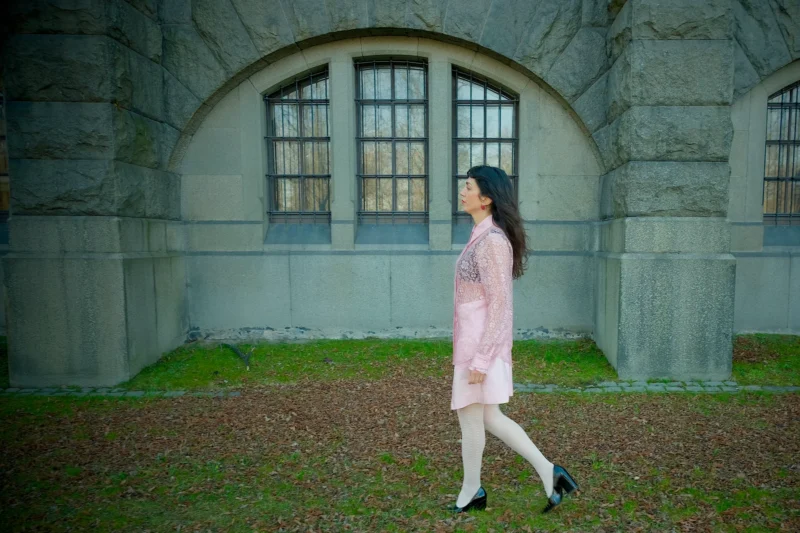
Background and origin
Karin Liljekvist, educated at the Royal Danish Academy of Fine Arts, started JOJO to combine her passion for textiles with her commitment to sustainability. The brand addresses textile waste and promotes thoughtful consumption through design-led reuse. Karin Liljekvist gives new life to forgotten materials. Her model avoids mass production entirely and instead focuses on made-toorder, timeless garments that prioritize longevity, personal expression, and material reuse.
Relevance to the craft sector
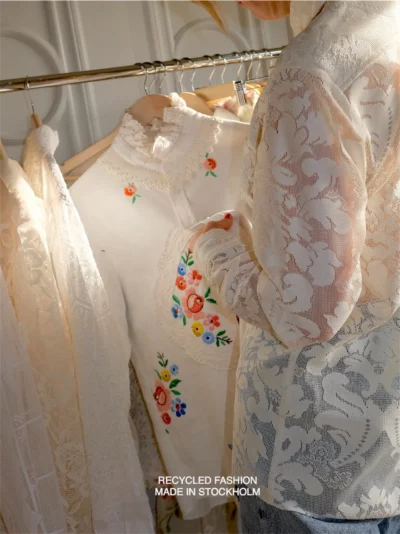
This practice preserves and promotes traditional craftsmanship through tailoring and textile reuse. It offers an alternative to mass-produced fashion by focusing on quality, sustainability, and individual expression – values deeply rooted in the craft sector. It also supports a circular approach by giving discarded textiles new life as bespoke garments.
Material focus – type of waste material involved

Target groups
Stakeholders involved
- Some regional support
- Collaboration through lectures and knowledge-sharing
- Customers participate as cocreators in the design process
Professionals involved and their roles
- Designer/maker (Liljekvist)
- Customers as co-creators
Connection of the practice with the project-identified needs
Knowledge of Waste Materials
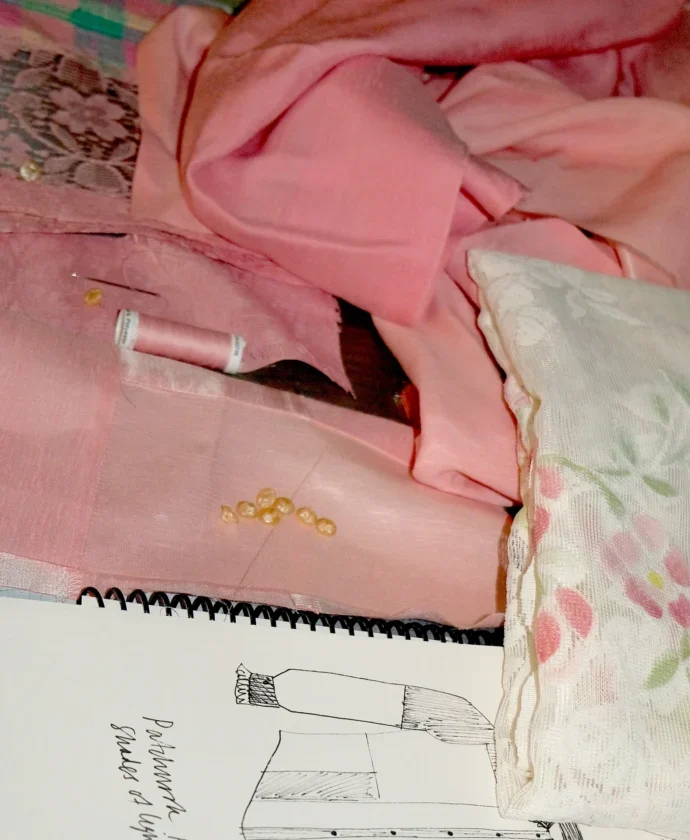
Karin Liljekvist applies deep knowledge of textile structure, quality, and behavior to identify reusable surplus fabrics. She selects materials not only for their visual appeal but also for durability and suitability in made-to-measure garments. While the practice doesn’t involve industrial recycling, it reflects strong hands-on expertise in fiber properties and upcycling potential.
Green Entrepreneurial Skills
JO-JO by Liljekvist is a microbusiness rooted in circular design and made-toorder production. Karin combines low-waste methods with direct storytelling and personal branding to reach niche markets. The business eliminates overproduction and shows how small-scale, sustainable fashion can be both viable and replicable within artisan networks or local craft economies.
Creativity and Innovative Solutions
Methodological approach to implement the practice
Process description – step by step instructions for implementing the practice
- Source recycled or leftover fabrics
- Discuss design and fit with the customer
- Handcraft the garment
- Deliver the finished product
Related Resources that have been developed
- Digital platform (Shopify or equivalent)
- Sewing equipment
- Design and pattern-making skills
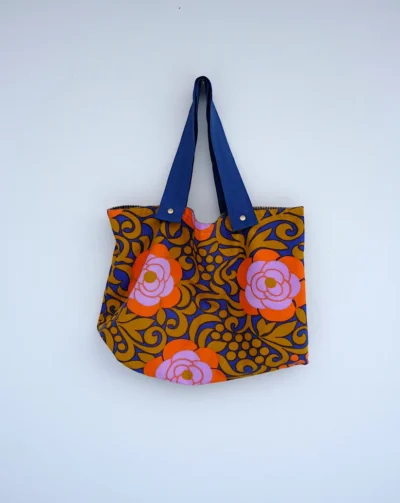
End product
One-of-a-kind fashion pieces from recycled materials
Sources of funding for this intervention
100% self-funded with consumer revenue enabling further growth.
Innovation, novel methods or technologies used
Obstacles and challenges faced
A key challenge has been the irregular availability of high-quality surplus textiles suitable for tailoring. The dependency on secondhand and leftover fabrics means that consistent supply can be difficult to secure. Additionally, the manual process of selecting, preparing, and adapting each material adds time and limits scalability. While these constraints are part of what makes the garments unique, they also create bottlenecks. Earlier partnerships with reuse platforms or textile waste networks might have streamlined sourcing and reduced production delays.
Steps further and plans for the future
JO-JO by Liljekvist plans to scale through knowledge-sharing rather than mass production. Upcoming initiatives include offering workshops to teach circular fashion principles and inspire others to adopt upcycling practices. By sharing material knowledge and production methods, the brand aims to empower emerging makers and hobbyists. In parallel, exploring new partnerships for material sourcing may improve access to consistent textile streams, allowing for slightly larger production runs while maintaining the core commitment to sustainability and design quality.
Key impacts – environmental, economic & social
Environmental: Reduces textile waste and overproduction
Economic: Creates value from waste in a niche market
Social: Promotes conscious consumption and traditional craft
Qualities and criteria’s to consider the practice effective,
efficient, sustainable, transferable
Overview
Effectiveness: How well does the practice achieve its goals?
Efficiency: Does the practice minimize resources while maximizing outputs?
Sustainability: Does the pratcice
contribute to environmental protection, social equality and long- term viability?
Transferability: Are the methods transferable in different contexts?
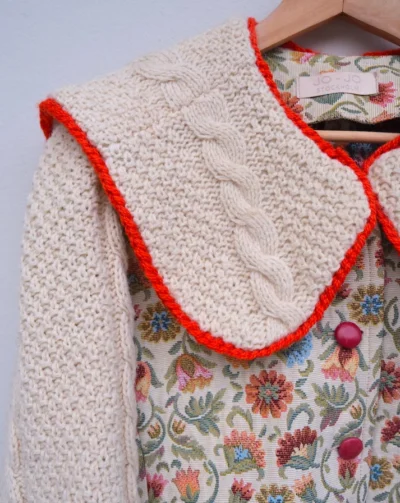
Required Competences for the best practice
implementation
Activities-to-competences mapping
Associated competences
Knowledge
Skills
Attitudes
Training needs required for successful implementation
- Textile reuse and repair
- Business modeling for circular fashion
- Digital marketing and storytelling
Lessons learned
- There is a demand for meaningful, sustainable fashion
- Small-scale practices can have large symbolic and cultural impacts
- Craft-based entrepreneurship can thrive with clear values and digital reach
References / links:
- JO-JO by Liljekvist Instagram (Swedish) instagram.com/jojobyliljekvist