
GUIDETTI SRL
Overview

SCROLL DOWN FOR MORE!
Country
Type of organization
Number of employees
Type of practice
Level of investment
Activity type
Key words

Summary

Guidetti Srl is a leading Italian SME in the production of recycling systems for non-ferrous metals, wires, and plastics. Founded over 30 years ago, it has developed compact and efficient machinery for recovering valuable resources from waste. Its innovative recycling solutions make copper, aluminum, and plastic separable and recoverable from complex waste streams such as electric cables, radiators, and electronic boards (WEEE).
The best practice focuses on the design and use of new generation separation technologies with minimum environmental impact, waste, and promoting circular economy. Their small-size units are utilized intensively by SMEs and big recycling operators across the globe, helping businesses to reduce waste disposal costs and maximize material recovery. What is most distinct about Guidetti’s practice is the integration of air separation, granulation, and electrostatic separation technologies that provide high purity rates and quality of the recovered material.
Background and origin
Founded in 1986, Guidetti Srl was established to meet mounting demands for efficient recycling technologies. The relevance of their activities has grown with the global drive towards a circular economy, EU Green Deal targets, and landfill waste reduction. Their solutions facilitate recovery of high-value plastics and metals, reducing dependence on virgin material.
Relevance to the craft sector
While not directly associated with conventional handicrafts, Guidetti technology enables artisans and small producers pursuing sustainable design and circular manufacturing. Their small-sized recycling solutions give micro and small businesses the means to better manage their waste flows, recover and reuse materials, and practice upcycling operations. For example, artists or carpenters using recycled copper, aluminum, or plastic in their products have clean, sorted materials because of Guidetti’s systems. The practice encourages innovation and sustainability even in the creative sector.
Material focus – type of waste material involved
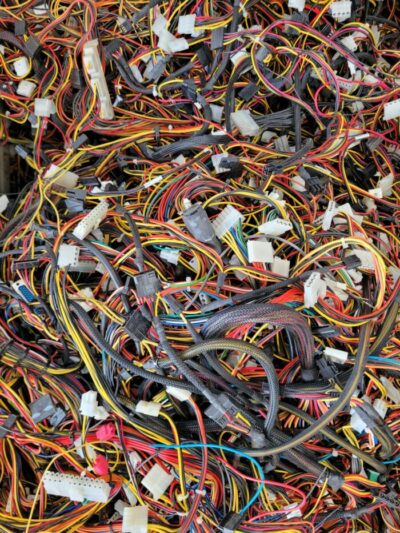
- Electric and electronic cables
- Waste electrical and electronic equipment (WEEE)
- Radiators
- Plastics (mixed, contaminated)

Target groups
- SMEs and recyclers
- Metal and plastic processors
- Waste management companies
- Eco-designers and creative recyclers
- Target groups benefit from modular systems tailored to different processing capacities.
Stakeholders involved
- Guidetti Srl (Technology provider)
- Recycling operators and SMEs (End users)
- Distributors and agents (Marketing and technical support)
- Engineers and technicians (Development and training)
Professionals involved and their roles
- Engineers (product development and technical support)
- Technicians (installation and maintenance)
- Trainers (end-user education)
Connection of the practice with the project-identified needs
Knowledge of Waste Materials
- The machines and Systems cleanly separate and process mixed plastics and metals
- Effective handling of contaminated materials
Green Entrepreneurial Skills
- Modular systems, which might be scalable as for small/medium businesses, as for large enterprises
- Help navigate regulatory compliance
- Support circular economy models
Creativity and Innovative Solutions
- Enable repurposing of recovered plastics into new products, through the collaboration with local companies
- Support sustainable design applications
Methodological approach to implement the practice
Process description – step by step instructions for implementing the practice
- Analyze client needs and waste types
- Propose tailored modular solution
- Install and calibrate machinery
- Train staff on operation and maintenance
- Provide ongoing technical support
- Time to implement: From 4 to 12 weeks
Related Resources that have been developed
- Technical manuals and videos
- Training sessions
- Digital tools for monitoring system performance
End product
Cleanly separated copper, aluminum, and plastic granules ready for reuse or resale.
Sources of funding for this intervention
Not publicly disclosed
Innovation, novel methods or technologies used
Obstacles and challenges faced
Initial cost barriers for SMEs
Key impacts – environmental, economic & social
Qualities and criteria’s to consider the practice effective,
efficient, sustainable, transferable
Overview
Effectiveness: How well does the practice achieve its goals?
Efficiency: Does the practice minimize resources while maximizing outputs?
Sustainability: Does the pratcice
contribute to environmental protection, social equality and long- term viability?
Transferability: Are the methods transferable in different contexts?
Required Competences for the best practice
implementation
Activities-to-competences mapping
Associated competences
Knowledge
Skills
Attitudes
Lessons learned
- Advanced technology must be user-friendly and accessible, so that it converts into actual use and effect, especially with SMEs.
- Comprehensive training and technical support are the foundations of long-term success and customer satisfaction.
- Scalable and modular systems allow firms to start small and expand as they expand, reducing upfront costs.
- Small-scale recycling facilities enable circularity even in smaller communities, supporting broader environmental goals.
- High-consistency material recovery reaffirms trust, contributes to reputation, and builds a strong client foundation.
- Good partnerships and a willingness to share solutions between nations and markets increases reach and strength.