
Ekogras
Overview

SCROLL DOWN FOR MORE!
Country
Type of organization
Number of employees
Type of practice
Level of investment
Activity type
Key words

Summary

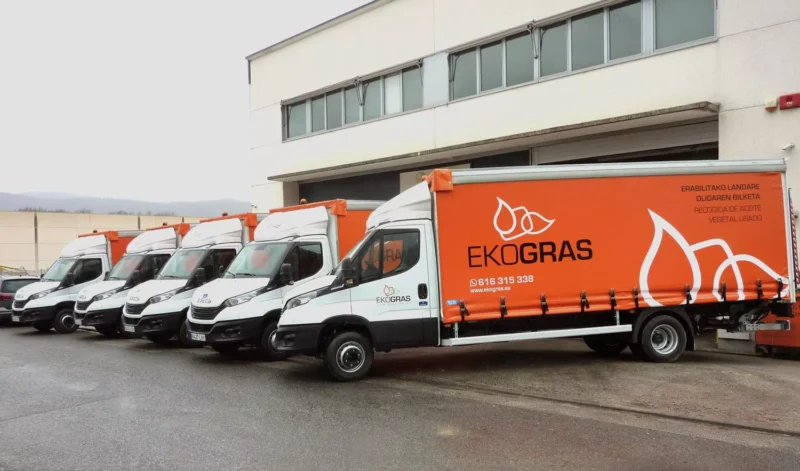
Ekogras is an SME based in Spain that specializes in the collection and recycling of used cooking oils from households, restaurants, and industries. By providing efficient oil collection services and dedicated infrastructure, Ekogras helps prevent improper disposal and environmental pollution.
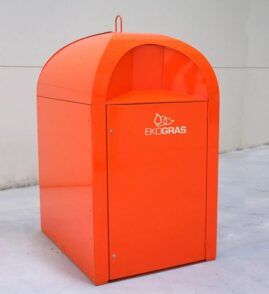
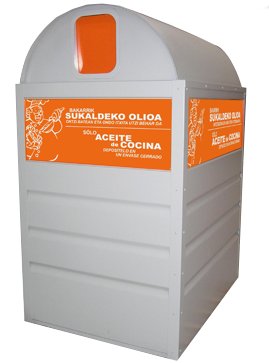
The collected oils are transported to processing facilities, where they are converted into biodiesel and other eco-friendly products by partner companies. Ekogras operates in both the private sector – mainly serving restaurants and hotels – and the public sector by installing recycling bins in cities for citizens.
Founded to tackle the environmental problem of waste cooking oil, Ekogras also promotes public awareness about recycling and collaborates on social inclusion projects, playing an important role in renewable energy and environmental protection.
Background and origin
Ekogras was founded to address the problem of improper disposal of used cooking oils, which can cause significant water and soil pollution. The company established an efficient collection system for waste oils from households and the food industry, enabling their conversion into biodiesel. Over time, Ekogras has become a key player in reducing environmental impact and supporting renewable energy production in Spain.
Relevance to the craft sector
Material focus – type of waste material involved
Ekogras focuses on the collection and management of used cooking oils as its primary waste material. This includes oils generated in large quantities by restaurants, hotels, and food industries, as well as smaller amounts produced in households. These oils, if disposed of improperly, can cause significant environmental damage, contaminating water sources and soil.
Once collected, the used cooking oil is transported to specialized processing facilities, where it is refined and converted into biodiesel – a renewable and eco-friendly fuel. In addition to biodiesel, other secondary eco-friendly products can also be produced from the processed oil, depending on the needs of partner companies. By providing a system for the safe and efficient collection of waste oil, Ekogras helps close the loop in the food and energy sectors, turning a common pollutant into a valuable resource and supporting the circular economy.
Target groups
- Hotels and restaurants: Major generators of used cooking oil, needing efficient disposal solutions.
- Households: Individuals who require easy and responsible ways to recycle cooking oil.
- Biodiesel manufacturers: Companies that purchase used oil for conversion into biodiesel and other products.
- Municipalities and public sector: Partners for installing recycling infrastructure in cities.
- Social projects and organizations: Collaborators on inclusion and environmental awareness initiative
Stakeholders involved
- Local municipalities and waste management authorities: Support and oversee collection infrastructure.
- Restaurants and food industry businesses: Main suppliers of used oil.
- Renewable energy companies: Purchase the collected oil for biodiesel production.
- Social projects and NGOs: Partners for inclusion and social development.
- Technical and research entities: Support process improvement (e.g., Tecnalia, Ihobe, Azti)
Professionals involved and their roles
- Waste management specialists: Organize and supervise oil collection and processing.
- Logistics teams: Coordinate efficient transport of used oil.
- Drivers: Collect and deliver oil and containers between sites.
These professionals ensure the smooth operation of the entire collection and recycling system
Connection of the practice with the project-identified needs
Knowledge of Waste Materials
Ekogras demonstrates strong knowledge of waste materials by safely handling and collecting used cooking oil, understanding the regulations and best practices for its storage and transport, and ensuring its proper conversion into biodiesel and other eco-friendly products. This expertise helps prevent environmental pollution and supports sustainable waste management.
Green Entrepreneurial Skills
Ekogras showcases green entrepreneurial skills by developing a scalable business model for waste oil collection, integrating circular economy principles, and participating in publicly funded R&D projects. The company adapts to regulatory requirements and collaborates with partners to expand its impact in renewable energy and environmental protection.
Creativity and Innovative Solutions
Methodological approach to implement the practice
Process description – step by step instructions for implementing the practice
- Collect used cooking oil from households, restaurants, and businesses using dedicated bins and containers.
- Transport the collected oil to processing facilities.
- Convert the oil into biodiesel and other eco-friendly products (done by partner companies).
- Distribute the biodiesel to energy markets.
This process relies on efficient logistics and public awareness to ensure high collection rates
Related Resources that have been developed
End product
The main end product of Ekogras’s practice is biodiesel, produced from the recycled used cooking oil. Additional eco-friendly industrial products can also be made from the processed oil, depending on the needs of partner companies. These products contribute to renewable energy and help reduce environmental pollution.
Sources of funding for this intervention
Ekogras’s activities are funded through participation in multiple publicly funded R&D projects, such as Hazitek and Next Generation programs, which provide government support for innovation and sustainability initiatives.
Innovation, novel methods or technologies used
Ekogras’s main innovation is its user-centered logistics system, especially public collection points that wash and return containers for reuse. This approach increases citizen participation and circularity. While the core recycling technology is standard, Ekogras’s operational model and ongoing collaboration on new recycling projects, like converting coffee residues, show adaptability and commitment to innovation in waste management Ekogras.
Obstacles and challenges faced
One of the main challenges Ekogras has faced is ensuring consistent and proper collection of used cooking oil from a wide range of sources, including households and businesses. Motivating people to participate in recycling and maintaining efficient logistics for collection and transport have required significant effort. The company has needed to invest in robust infrastructure and run ongoing public awareness campaigns. Additionally, adapting operations to meet the needs of different customers and collaborating with partners for new recycling projects have posed further challenges. Overcoming these obstacles has been essential for achieving high collection rates and environmental impact.
Steps further and plans for the future
Looking ahead, Ekogras plans to expand its recycling services to include other types of waste from its customers, such as coffee residues. The company aims to develop new projects, like producing animal feed from coffee waste, and continue collaborating with partners in R&D. Ekogras will also strengthen public awareness initiatives and invest in improving its collection infrastructure, maintaining its focus on innovation and sustainability in waste management.
Key impacts – environmental, economic & social
Ekogras’s key impacts are environmental, economic, and social.
Environmentally, the company reduces water contamination by recycling used cooking oil and supports renewable energy production. Economically, it creates business opportunities in the biofuel sector. Socially, Ekogras raises public awareness about waste oil recycling and collaborates with social inclusion projects, supporting community development and inclusion.
Qualities and criteria’s to consider the practice effective,
efficient, sustainable, transferable
Overview
Effectiveness: How well does the practice achieve its goals?
Efficiency: Does the practice minimize resources while maximizing outputs?
Sustainability: Does the pratcice
contribute to environmental protection, social equality and long- term viability?
Transferability: Are the methods transferable in different contexts?
Required Competences for the best practice
implementation
Activities-to-competences mapping
Associated competences
Knowledge
Skills
Attitudes
Training needs required for successful implementation
Successful implementation requires:
- Basic training in waste oil legislation
- Collection logistics
- Sustainability awareness to ensure proper handling
- Compliance
- Effective public engagement
Lessons learned
- Public awareness campaigns improve oil collection efficiency
- Strong partnerships with municipalities enhance impact