
BEFESA
Overview

SCROLL DOWN FOR MORE!
Country
Type of organization
Number of employees
Type of practice
Level of investment
Activity type
Key words

Summary

Befesa is a leading environmental services company that focuses on recycling hazardous waste from the steel and aluminium industries. Their operations are integral to the circular economy, helping to reduce the consumption of natural resources and prevent around 2 million tonnes of residue from reaching landfills each year.
Background and origin
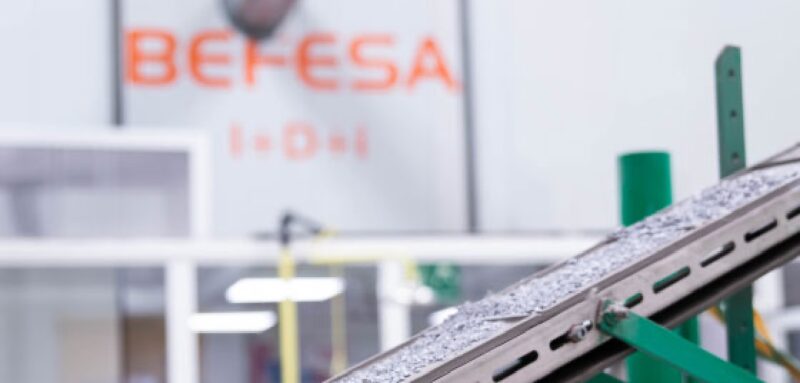
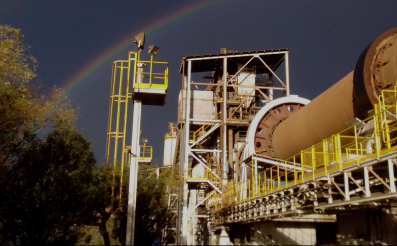
Befesa Zinc Aser is located near Bilbao. It is the only plant in Spain dedicated to recycling dust generated in steelworks with electric arc furnaces (EAF), recovering valuable metals like zinc and lead. The residual dust from EAF steelworks is classified as hazardous waste due to its high metal content, primarily zinc, iron, and lead. Befesa Zinc Aser’s operations have significant environmental benefits:
- Metal Recovery: The plant recovers metals from hazardous waste, preventing pollution and reducing the need for mining natural resources. This contributes to the sustainability of metal production by providing an inexhaustible source of metals compared to traditional mining.
- Best Available Technology: Befesa Zinc Aser uses advanced processes like the Waelz process and the Double Leaching Waelz Oxide process, which are considered Best Available Technology (BAT) by the European Commission. These processes efficiently separate and recover metals from steelworks dust, producing non-ecotoxic inert slags as by-products.
- Circular Economy: By recycling hazardous residues, Befesa Zinc Aser supports the circular economy, reducing the consumption of natural resources and preventing waste from reaching landfills.
Relevance to the craft sector
Craft makers who prioritize sustainability can incorporate recycled materials into their creations, thereby promoting ecofriendly practices. By highlighting their use of materials from environmentally responsible sources, they can appeal to environmentally conscious consumers. Additionally, the circular economy supports the broader movement towards sustainability, allowing craft makers to align their practices with these principles by choosing materials that have been recycled and reintroduced into the production process.
Material focus – type of waste material involved
Target groups
- Steel industry
- Industries and craftmen using zinc oxide in their products
Stakeholders involved
- Steel industries
- Shareholders and investors
Professionals involved and their roles
Connection of the practice with the project-identified needs
Knowledge of Waste Materials
Befesa employs advanced methods to recycle hazardous waste, which can be applied to plastics.
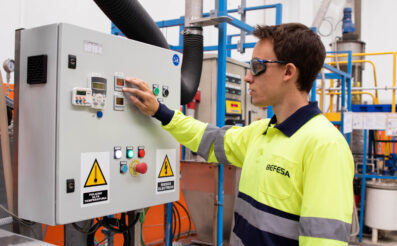
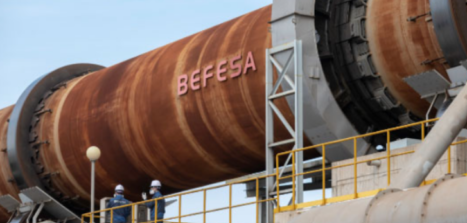
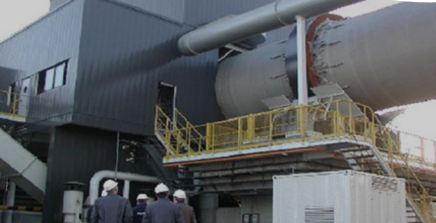
Advanced Methods: Befesa utilizes state-of-the-art technology to ensure that the recycling processes are efficient and environmentally friendly. This includes the use of high-temperature kiln to facilitate chemical reactions.
Green Entrepreneurial Skills
Creativity and Innovative Solutions
N/A
Methodological approach to implement the practice
Process description – step by step instructions for implementing the practice
The Waelz process is a method used to recover zinc and other metals from metallurgical waste, such as electric arc furnace (EAF) dust.
The kiln is feeded with a mixture of Lime, coke and EAFD dust. Due to the high temperatures, some chemical proccesses occur inside the kiln and the produced Zinc Oxide is recovered in the filters. The slag coming out of the kiln is also recovered.
Related Resources that have been developed
N/A
End product
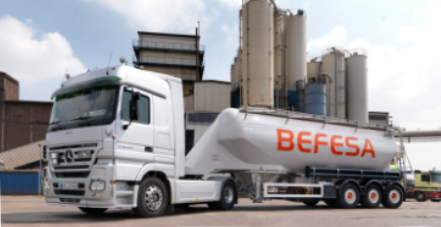
Zinc Oxide and Slag are the final products of the Waelz process. Zinc Oxide is widely used in various industries, including rubber manufacturing, ceramics, and pharmaceuticals. Slag, on the other hand, is utilized in construction materials, road building, and as a raw material for cement production. Both of these by-products have numerous applications, making the Waelz process highly valuable in recycling and resource recovery.
Sources of funding for this intervention
Befesa is entirely financed through private funding sources.
Innovation, novel methods or technologies used
There are numerous techniques for recovering zinc oxide, each with its own advantages and specific applications. One of the most notable is the Waelz process, used by this company. This method involves the use of a rotary kiln, where materials are subjected to high temperatures to facilitate the separation of zinc oxide. Additionally, specialized filters are employed to capture and purify the recovered zinc oxide, ensuring a high-quality product. This process is not only efficient but also contributes to sustainability by allowing the reuse of materials that would otherwise be discarded. At the same time, the company uses the Double Leaching Waelz Oxide process to purify the recovered zinc oxide.
Obstacles and challenges faced
Steps further and plans for the future
N/A
Key impacts – environmental, economic & social
Befesa plays a crucial role in environmental sustainability by recovering steelworks dust, thereby reducing the need to mine natural resources. This innovative process not only conserves valuable materials but also prevents Electric Arc Furnace Dust from contaminating landfills. By effectively managing and repurposing industrial waste, Befesa contributes to a cleaner environment and promotes the responsible use of resources.
Qualities and criteria’s to consider the practice effective,
efficient, sustainable, transferable
Overview
Effectiveness: How well does the practice achieve its goals?
Efficiency: Does the practice minimize resources while maximizing outputs?
Sustainability: Does the pratcice
contribute to environmental protection, social equality and long- term viability?
Transferability: Are the methods transferable in different contexts?
Required Competences for the best practice
implementation
Activities-to-competences mapping
Associated competences
Knowledge
Skills
Attitudes
Training needs required for successful implementation
It is a highly intricate system, presenting significant challenges for replication due to both technical and economic factors. The complexity arises from the advanced technology and specialized knowledge required to operate and maintain the system effectively. Additionally, the substantial financial investment needed to develop and sustain such a system further complicates efforts to duplicate it.
Lessons learned
Befesa leads in environmental services by recycling hazardous waste from the steel industries. Their efforts are vital to the circular economy, preventing big quantity of waste from reaching landfills each year.