
Basq
Overview

SCROLL DOWN FOR MORE!
Country
Type of organization
Number of employees
Type of practice
Level of investment
Activity type
Key words

Summary

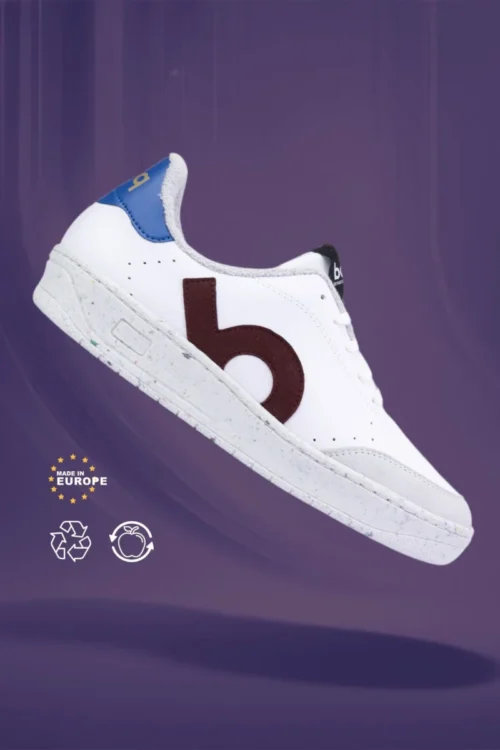
Basq Company is a startup based in the Basque Country (Spain), established in 2019, which designs and manufactures footwear and apparel using exclusively recycled materials. Its products are made from PET plastic bottles, organic cotton waste, and end-of-life tires, contributing to the reduction of the environmental impact of these waste streams. All manufacturing takes place locally within Spain and Europe, under ethical working conditions and using renewable energy sources.
The core of Basq’s best practice lies in the integration of circular economy principles throughout the entire process: from design and material selection to post-consumer recycling. One of its most recent developments is the HODEI project, a recyclable shoe model made from a single material and supported by a product return system for recycling. The company also allocates part of its revenue to marine clean-up initiatives.
Background and origin
Relevance to the craft sector
Basq’s approach is especially relevant to the craft sector because it shows how traditional skills can be combined with sustainability and innovation. The company uses artisanal shoemaking techniques – manual cutting, sewing, and assembly – while sourcing all materials from recycled waste, such as PET bottles, textile scraps, and end-of-life tires. Production takes place in small, solar-powered workshops in Spain, reinforcing the connection between local culture and ecological responsibility.
Basq’s model highlights how craft businesses can adopt circular economy practices and still offer quality, personalized, and unique products. Their shoes are handmade and often customizable, reflecting the values of craftsmanship: attention to detail, creativity, and local identity. By succeeding as a small enterprise, Basq provides a real-life example and inspiration for other artisans and small manufacturers looking to innovate sustainably in their own practices
Material focus – type of waste material involved
Basq’s products are made entirely from recycled waste materials, selected for both environmental impact and technical suitability. The main materials used are:
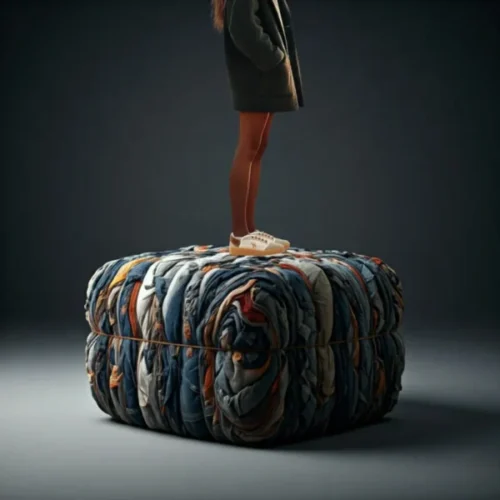
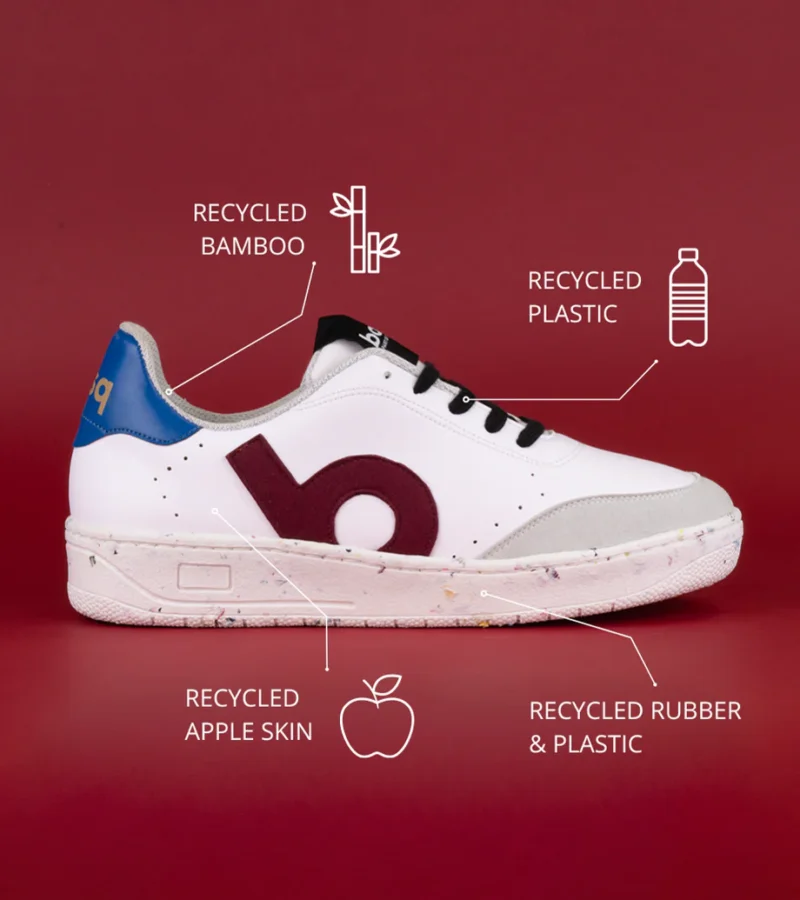
- Recycled PET plastic bottles: Turned into rPET polyester fibers for sneaker uppers, linings, insoles, and apparel.
- Recycled organic cotton: Made from textile scraps and old garments, spun into yarn and used in apparel.
- Rubber from end-of-life tires: Old tires are deconstructed, and the rubber is used for sneaker soles.
- Experimental bio-based materials: Such as apple leather and pineapple fiber, which are still in the R&D phase.
Each material is chosen for its technical properties – strength, breathability, grip – and to maximize sustainability, producing high-quality footwear and apparel entirely from waste
Target groups
Stakeholders involved
Basq’s circular model involves a diverse set of stakeholders:
- Founders and core team: Oversee design, operations, sustainability, and coordination with partners.
- Material suppliers: Recyclers process PET bottles, textile waste, and tires into usable materials.
- Manufacturing partners: Small, solar-powered workshops in Spain handle manual production and assembly.
- Funding partners: Include crowdfunding backers, private investors, and regional public programs (like BIC Bizkaia and Fundación Biodiversidad).
- Consumers and community: Engage as buyers and participate in the product return/recycling schemes.
- NGOs/environmental organizations: Collaborate on marine clean-up, with part of Basq’s revenue supporting these initiatives.
- Certification bodies: Provide sustainability and vegan certifications (e.g., GRS, PETA).
Both men and women are involved throughout the design, production, and communications roles, and the products are inclusive, covering men’s, women’s, and children’s lines
Professionals involved and their roles
- Designers: Develop eco-friendly, recyclable products.
- Craft workers: Manually cut, sew, and assemble shoes and apparels.
- Sustainability experts: Ensure traceability and compliance with certifications.
- Communication staff: Manage blogs, social media, and education.
- Technical consultants: Support R&D for new materials.
- Community managers: Run crowdfunding and gather feedback.
Connection of the practice with the project-identified needs
Knowledge of Waste Materials
Basq’s practice directly addresses the project’s need for knowledge of waste materials. The company uses only waste – like PET bottles, cotton scraps, and tires – requiring in-depth understanding of how to source, process, and work with these materials. For example, Basq’s team collaborates with recycling partners, applies mechanical recycling, and designs products (like the monomaterial HODEI sneaker) for easy recyclability. Their approach demonstrates practical knowledge in selecting, cleaning, and transforming waste into highquality, durable products
Green Entrepreneurial Skills
Basq demonstrates green entrepreneurial skills by building a circular business model: it sources waste locally, ensures ethical production, and implements a product take-back system for recycling. The company also manages regulatory compliance, runs crowdfunding campaigns to launch new products, and secures both private and public funding. This shows strong practical skills in green business development, market alignment, and innovation funding – directly addressing the need for green entrepreneurship identified in the project
Creativity and Innovative Solutions
Basq applies creativity and innovation by transforming waste (like PET bottles and tires) into stylish, wearable products with strong consumer appeal. They use minimalist, surf-inspired designs and have developed unique solutions such as the fully recyclable, mono-material HODEI shoe and an eco-deposit return system. Their focus on eco-design and continuous experimentation with new materials demonstrates how creativity can turn waste into highquality, fashionable products, addressing the project’s need for innovative and creative solutions
Methodological approach to implement the practice
Process description – step by step instructions for implementing the practice
- Problem identification: Recognize environmental impact from plastic, textile, and tire waste, and define the mission – 100% recycled, vegan, and locally made products.
- Material research & prototyping: Identify suitable waste materials; collaborate with recyclers; develop and test prototypes over about two years.
- Supplier and partner selection: Choose local workshops for manual, solar-powered production; partner with certified recycling suppliers.
- Product launch & funding: Launch first products via crowdfunding to validate market interest and raise initial capital.
- Circularity system design: Create take-back schemes (e.g., HODEI project) to collect and recycle used products.
- Communication & consumer engagement: Focus on transparency; educate and involve consumers through blogs, social media, and events.
- Continuous improvement: Maintain ongoing R&D into new materials and scaling strategies, using user and expert feedback.
Related Resources that have been developed
End product
Basq’s main products are sneakers and apparel made entirely from recycled and vegan materials – mainly recycled PET bottles, organic cotton, and rubber from old tires. All items are handmade in small, solar-powered workshops in Spain. The products are durable, comfortable, stylish, and certified vegan. The HODEI model is fully recyclable and comes with a take-back system for used shoes. Packaging is always plastic-free and recyclable. Basq also makes t-shirts and sweatshirts from recycled cotton and rPET, using water-free dyeing and local production
Sources of funding for this intervention
- 40% private investment: Personal savings from the founder and early private investors.
- 30% crowdfunding: Campaigns on platforms like Kickstarter helped launch their first products and build a community.
- 20% public support: Regional entrepreneurship programs (e.g., BIC Bizkaia, Fundación Biodiversidad) provided grants and mentoring.
- 10% sales revenue: Reinvestment of earnings from product sales to support ongoing activities and innovation.
Innovation, novel methods or technologies used
Obstacles and challenges faced
Steps further and plans for the future
Basq plans to expand its product return system, enter more European markets, and add new recycled and bio-based products. They will keep investing in material innovation and aim to grow their team and educational activities as the company scales up.
Key impacts – environmental, economic & social
Basq has a positive impact environmentally by reducing plastic, textile, and rubber waste, and by using solar-powered local workshops, which lowers emissions. Economically, the company creates local jobs and supports green entrepreneurship with its transparent and innovative business model. Socially, Basq ensures fair working conditions, raises consumer awareness about sustainability, and promotes inclusion through unisex and children’s products. Though the team is small, future growth could create more local employment opportunities
Qualities and criteria’s to consider the practice effective,
efficient, sustainable, transferable
Overview
Effectiveness: How well does the practice achieve its goals?
Efficiency: Does the practice minimize resources while maximizing outputs?
Sustainability: Does the pratcice
contribute to environmental protection, social equality and long- term viability?
Transferability: Are the methods transferable in different contexts?
Required Competences for the best practice
implementation
Activities-to-competences mapping
Associated competences
Knowledge
Skills
Attitudes
Training needs required for successful implementation
Lessons learned
- Circular production is achievable for small businesses with clear goals.
- Careful selection and testing of recycled materials is essential.
- Strong relationships with suppliers are key for quality and reliability.
- Simplicity in design aids both recycling and creating a strong brand identity.
- Local production ensures higher quality, transparency, and authenticity.
- Consumer education is crucial for market acceptance of sustainable products
References / links:
- Basq official website: https://www.basqcompany.com
- SPRI: https://www.spri.eus/en/ (search: “Basq”)
- DEIA: https://www.deia.eus (search: “Basq zapatillas sostenibles”)
- Kickstarter campaign for HODEI shoe: https://www.kickstarter.com/projects/basq/hodei
- Yanko Design feature: https://www.yankodesign.com/ (search: “Basq Hodei”)
- Red Emprendeverde / Fundación Biodiversidad: https://redemprendeverde.es/ (search: “Basq Company”)