
3DDen

Overview

SCROLL DOWN FOR MORE!
Country
Type of organization
Number of employees
Type of practice
Level of investment
Activity type
Key words

Summary

3DDen is a Czech company pioneering the transformation of ocean-bound plastic waste into functional and artistic products through advanced 3D printing technology. Their innovative approach involves collecting plastic debris from the Indian Ocean, which is then cleaned, sorted, and processed into a specialized filament known as oPET. This filament serves as the primary material for their
diverse range of products, including medals, promotional items, toys, furniture, and large-scale installations. By utilizing ocean-sourced plastics, 3DDen addresses the critical issue of marine pollution while promoting a circular economy. Their process not only repurposes waste but also significantly reduces environmental impact, achieving up to an 80% reduction in CO₂ emissions compared to traditional plastic manufacturing methods.
Background and origin
Founded by entrepreneur Jan Hřebabecký, 3DDen emerged from a vision to merge ecological responsibility with technological innovation. Recognizing the vast potential of 3D printing, Hřebabecký aimed to address the pressing issue of ocean plastic pollution by repurposing waste into valuable products. 3DDen operates from a repurposed poultry farm in Horní Počernice, Prague, which now serves as a unique large-scale 3D printing hub. Almost 300 printers—of various types—are running with minimal downtime. Inspired by the success of Prusa Research, a world-renowned Czech 3D printer manufacturer (from whom they sourced some machines), 3DDen has begun developing its own devices to meet the demands of more intricate projects. This growth reflects the company’s drive toward innovation and efficiency within the upcycling and 3D printing sector.
Relevance to the craft sector
3DDen’s approach holds significant relevance to the craft sector by bridging traditional artisanal values with cutting-edge digital fabrication techniques. Through their use of 3D printing technology and sustainable oPET filament made from ocean-sourced plastic waste, they enable designers, artists, and craftsmen to create custom-made products with minimal environmental impact. This opens new avenues for local artisans who might not have access to industrial production methods but want to embrace sustainability and precision in their work. Moreover, their willingness to co-create with artists and institutions promotes cross-disciplinary innovation, inspiring crafters to adopt modern tools without abandoning traditional values. In this way, 3DDen is not only innovating in sustainability but also enriching the potential of contemporary craft.
Material focus – type of waste material involved
Primary Material is Recycled PET (oPET) and secondary materials are Other recyclable plastics suitable for 3D printing. oPET is an innovative recycled material developed from plastic waste collected from the world’s oceans. Czech startup 3DDen is among the first globally to utilize this material in 3D printing, producing a diverse range of items—from promotional products and toys to furniture and large installations. The plastic is processed into specialized filament suitable for 3D printing. This approach not only repurposes ocean waste into high-quality, safe materials but also contributes to environmental sustainability by reducing CO₂ emissions by up to 80% compared to traditional
plastic manufacturing methods.
Target groups
- Organizations seeking sustainable promotional items or awards.
- Entities requiring eco-friendly trophies or installations.
- Schools and universities interested in sustainability workshops.
- Individuals looking for unique, environmentally friendly products.
Stakeholders involved
- Designers, engineers.
- Ocean Cleanup Organizations: Provide collected plastics for processing.
- Clients: Businesses and individuals purchasing products
Material focus – type of waste material involved
Primary Material is Recycled PET (oPET) and secondary materials are Other recyclable plastics suitable for 3D printing. oPET is an innovative recycled material developed from plastic waste collected from the world’s oceans. Czech startup 3DDen is among the first globally to utilize this material in 3D printing, producing a diverse range of items—from promotional products and toys to furniture and large installations. The plastic is processed into specialized filament suitable for 3D printing. This approach not only repurposes ocean waste into high-quality, safe materials but also contributes to environmental sustainability by reducing CO₂ emissions by up to 80% compared to traditional plastic manufacturing methods.
Professionals involved and their roles
- Designers: Create product designs suitable for 3D printing.
- Engineers: Develop and maintain 3D printing technology.
- Educators: Conduct workshops and awareness sessions.
- Administrative Staff: Manage operations and client relations.
- Other professionals: Webmaster, Sales
Connection of the practice with the project-identified needs
Knowledge of Waste Materials
3DDen’s operations require a deep understanding of plastic properties, ensuring that collected materials are suitable for processing into filament. Their team is adept at handling and preparing plastics, ensuring quality and safety in the final products. oPET is an innovative recycled material developed from plastic waste collected from the world’s oceans. Czech startup 3DDen is among the first globally to utilize this material in 3D printing.
Green Entrepreneurial Skills
The company’s model showcases sustainability, turning waste into marketable products. They navigate regulatory landscapes to ensure compliance and have developed a business model that can be replicated in different contexts, promoting sustainable entrepreneurship. What’s more, all items are produced locally in Prague using sustainable ocean-sourced materials, making them a competitive alternative to imports from distant regions like China. This supports regional creative industries by offering rapid delivery, competitive pricing, and high-quality, eco-conscious products tailored to clients’needs.
Creativity and Innovative Solutions
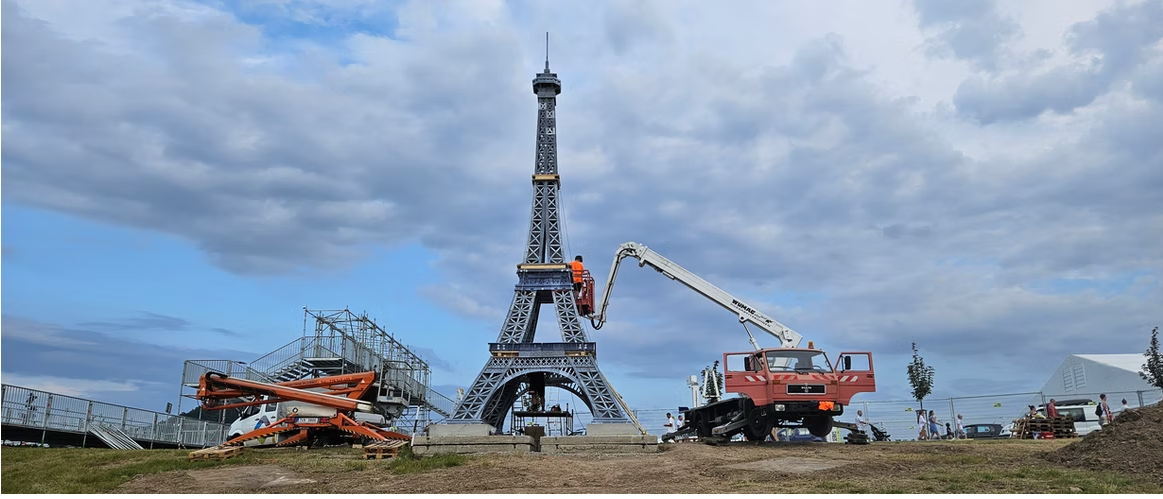
By integrating AI in design processes and utilizing 3D printing, 3DDen pushes the boundaries of traditional manufacturing. Their innovative approach allows for the creation of complex, customized products, demonstrating the potential of combining technology with sustainability. As part of the company’s innovative promotion and advertising techniques, they for instance created a model of Eiffel tower for the occasion of the Summer Olympic Games in Paris 2024 made from ocean waste oPET.
Methodological approach to implement the practice
Process description – step by step instructions for implementing the practice
Material Collection: 3DDen has created a unique ecosystem by connecting several non-profit organizations to tackle plastic waste. At the beginning of this chain are fishermen in the Indian Ocean, who collect plastic from the sea in exchange for food and clean water—resources that are vital for their livelihoods. Processing: The collected plastic is sorted, cleaned, desalinated, dried, and made into granules in Switzerland. Filament Production: 3DDen processes these granules into 3D printing filaments using proprietary technology. 3D Printing: Utilizing their printers, 3DDen manufactures various products. Some of 3DDen’s 3D printers are custom-built by their in-house experts to meet highly specific production needs. These tailor-made machines are globally unique, as they are capable of producing complete, specialized objects using a one-of-a-kind sustainable filament. This filament—wound on spools—is made from recycled plastic waste such as bottles and other debris recovered from the world’s oceans. The benefits of using this material go beyond sustainability: it is also more cost-effective than virgin plastic filament, making it an economical and environmentally responsible choice.
Related Resources that have been developed
- Proprietary Filament Production Technology: Developed to process oceanbound plastic into high-quality 3D printing filament.
- Custom 3D Printers: Designed to handle the unique properties of recycled ocean plastic.
There is not as big a 3D printing farm anywhere in the Czech Republic, Europe, or the USA. 3DDen also stands out through its focus—they specialize in multicolor printing using composite materials and are able to model and print virtually anything on demand in 3D, often by the next day. Some of their printers are tailormade by 3DDen’s own specialists and are globally unique, as they produce complete, complex objects using their custom eco-friendly filament made from oPET. This material is a filament on spools made from recycled plastics—mainly PET bottles and other waste recovered from the world’s oceans. Remarkably, the price of this filament is even lower than that of new, virgin plastic filament.
End product
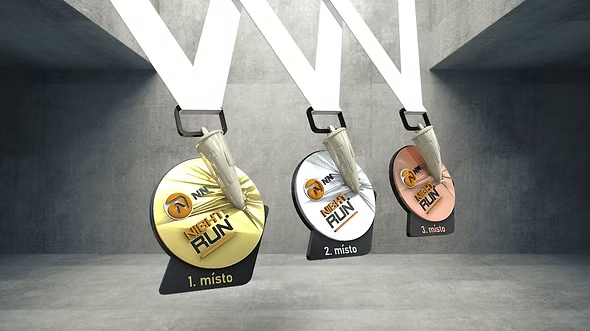
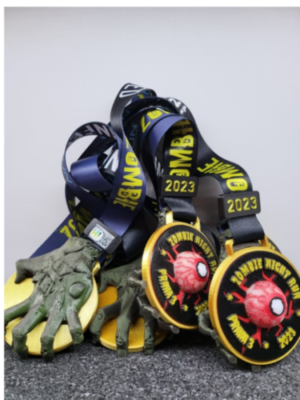
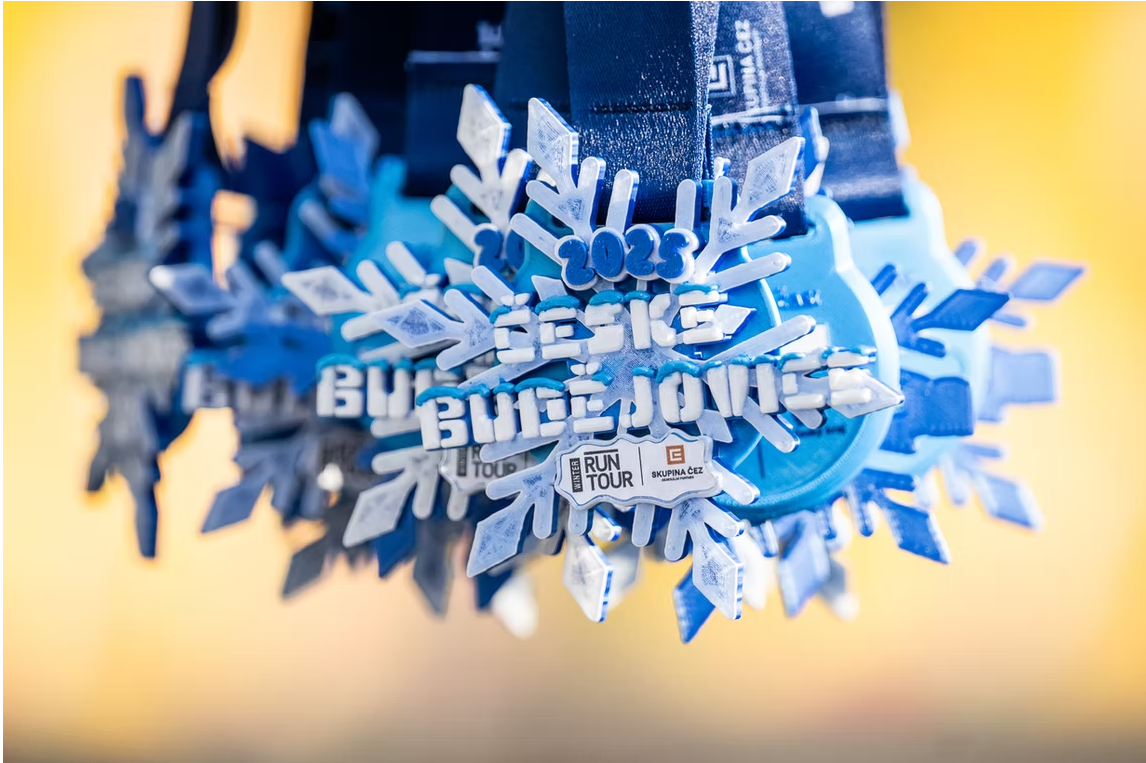
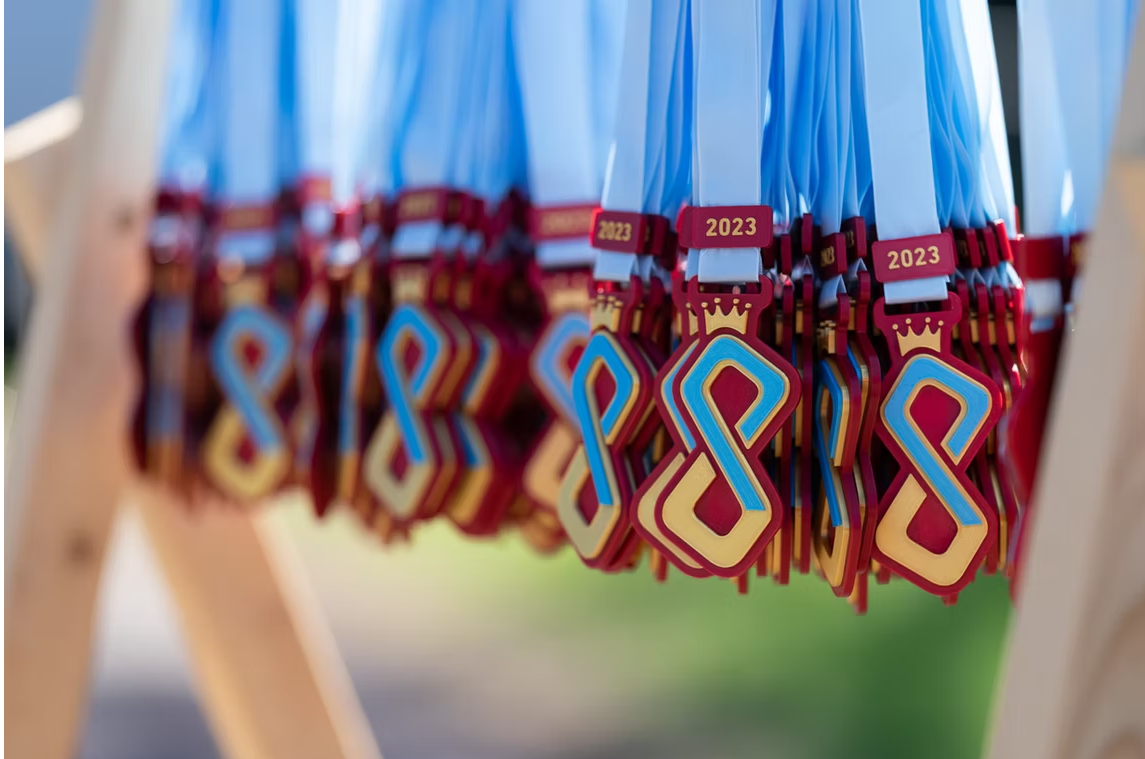
3DDen’s end products are diverse, ranging from small promotional items to largescale installations. Utilizing their proprietary oPET filament, they produce medals, trophies, personalized USB drives, toys, furniture, and even architectural elements. Each item embodies the company’s commitment to sustainability, design, and functionality. Their ability to create customized, multi-colored, and large-format objects sets them apart in the 3D printing industry. Notably, their 12-meter replica of the Eiffel Tower, made from recycled ocean plastic, exemplifies their capacity to merge artistic vision with environmental consciousness.
Sources of funding for this intervention
Private investments.
Innovation, novel methods or technologies used
- Direct Filament Production: Creating 3D printing filament directly from ocean plastic granules (not used before).
- Swarm Printing Method: Developing a technique inspired by insect behavior to 3D print houses from ocean-bound plastic.
- 3D printers specifically designed by 3DDen to process unique ecological filament from oPET
Obstacles and challenges faced
- Material Handling: Recycled ocean plastic can crystallize during printing, requiring specialized equipment.
- Supply Chain: Ensuring a consistent supply of highquality recycled plastic.
- Public Perception: Educating consumers about the benefits and safety of products made from recycled materials.
Steps further and plans for the future
- Expand Production: Increase the use of recycled materials in their products.
- Develop Housing Solutions: Utilize swarm printing methods to construct homes from recycled ocean plastic.
Key impacts – environmental, economic & social
- Environmental: Significant reduction in ocean plastic waste and CO2 emissions. They have adopted an innovative method that focuses on repurposing waste, mainly by utilizing 3D printing for larger items. This technique has enabled them to cut CO2 emissions by as much as 80% compared to conventional plastic production.
- Economic: Creation of new markets for recycled products and job opportunities in sustainable manufacturing.
- Social: Empowerment of coastal communities involved in plastic collection and increased public awareness of environmental issues.
Qualities and criteria’s to consider the practice effective,
efficient, sustainable, transferable
Overview
Effectiveness: How well does the practice achieve its goals?
Efficiency: Does the practice minimize resources while maximizing outputs?
Sustainability: Does the pratcice
contribute to environmental protection, social equality and long- term viability?
Transferability: Are the methods transferable in different contexts?
Required Competences for the best practice
implementation
Activities-to-competences mapping
Associated competences
Knowledge
Skills
Attitudes
Training needs required for successful implementation
- Material Science: Understanding of recycled plastic characteristics, degradation, and use.
- 3D Printing Skills: Operation, maintenance, and troubleshooting of printers.
- Design and CAD Software: Use of programs like Fusion360, Rhino, or Blender.
- Sustainable Design Principles: Life-cycle thinking, modular design, etc.
- Entrepreneurial Skills: Business modeling, branding, market development.
- Waste Management & Regulatory Knowledge: Certifications, compliance, handling waste safely.
Lessons learned
- Waste = Resource: Ocean-bound plastic can be transformed into beautiful, functional items with the right systems in place.
- Innovation is key: Combining advanced technology with sustainable goals creates viable and impactful businesses.
- Local-global collaboration matters: Coastal waste collectors, European tech startups, and Swiss converters together created a circular value chain.
References / links:
- www.3dden.com
- www.prazsky.denik.cz/podnikani/praha-3d-tisk-3dden-plast-eiffelova-vezolympijsky-festival.html – Eiffel tower in Prague
- www.irozhlas.cz/veda-technologie/veda/tohle-umime-jenom-my-cesivymysleli-zpusob-jak-z-oceanskeho-plastoveho-recyklatu_2407232330_job -about the company and how they make products from ocean plastic