
Recoma
Overview

SCROLL DOWN FOR MORE!
Country
Type of organization
Number of employees
Type of practice
Level of investment
Activity type
Key words

Summary

Background and origin
Relevance to the craft sector
Material focus – type of waste material involved
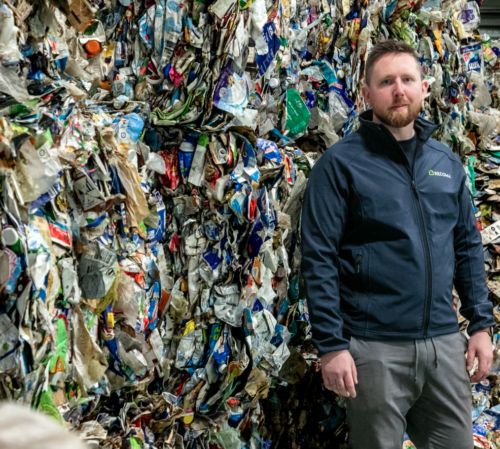
Composite packaging waste, including multilayer materials like beverage cartons and food packaging, including plastics like HDPE.
Target groups
Stakeholders involved
- Investor supporting scaling efforts (Kiilto Ventures).
- National Environmental Protection Agency (Naturvårdsverket in Sweden): Provided funding through the Climate Step program.
- Construction Firms: Early adopters like Skanska and Tetra Pak integrating Recoma boards into projects.
Professionals involved and their roles
Connection of the practice with the project-identified needs
Knowledge of Waste Materials
Green Entrepreneurial Skills
Creativity and Innovative Solutions
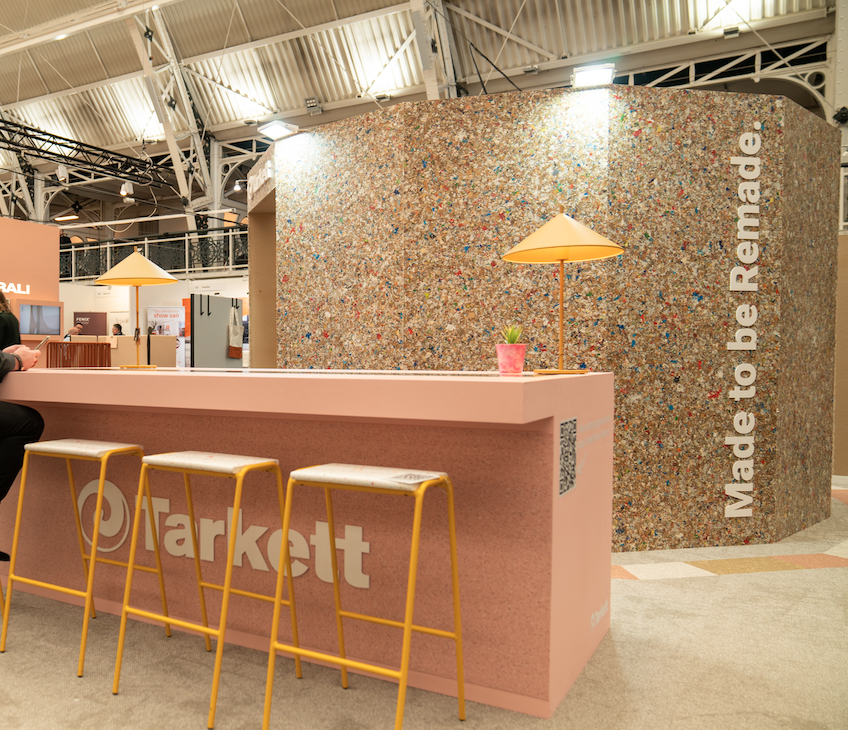
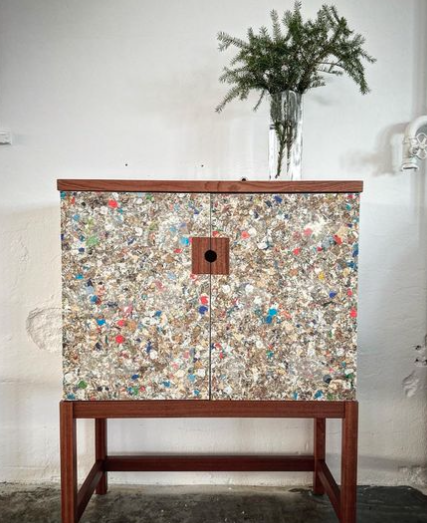
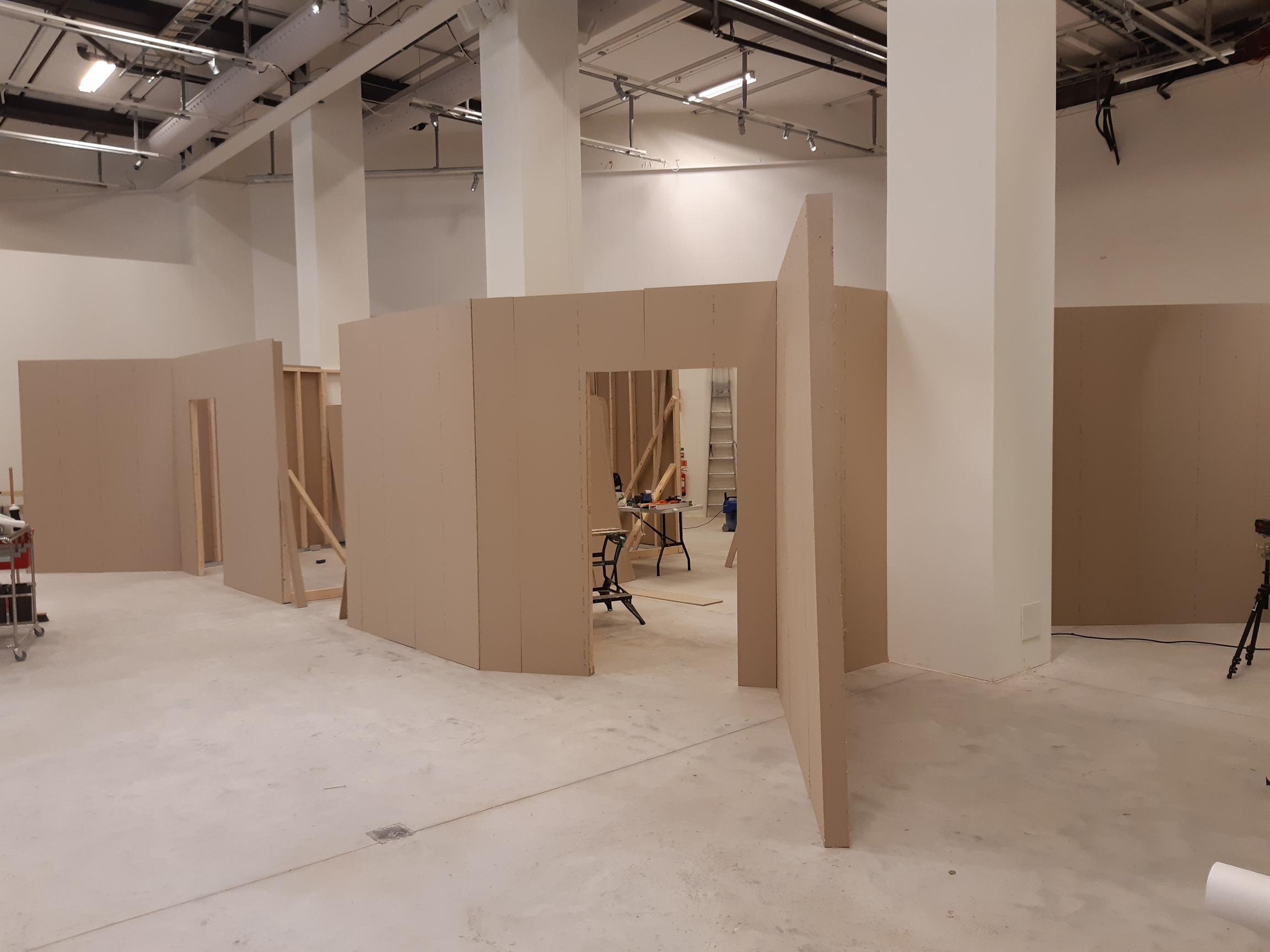
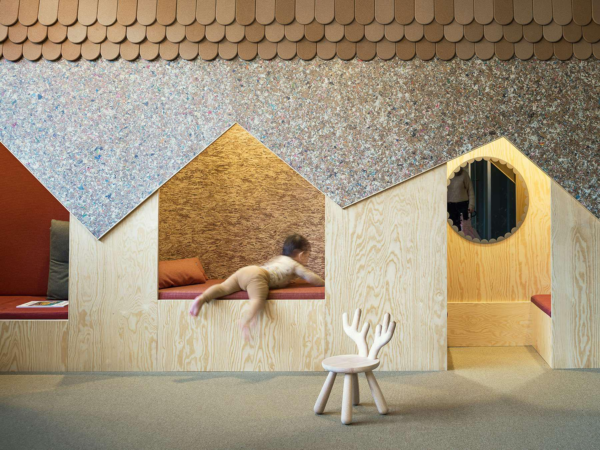
By transforming waste into highquality construction boards, Recoma exemplifies innovative applications of recycled materials in the building industry, for indoor environments, benches, playgrounds, or decorative panels for public areas.
Methodological approach to implement the practice
Process description – step by step instructions for implementing the practice
- Identifying the Problem and Developing a Circular Solution
Recoma identified the challenge of recycling composite plastic packaging waste and turned it into an opportunity to create climate-positive construction boards. They developed a patented process to shred, clean, and compress mixed plastics – without glue or additives – into durable, recyclable panels.- Focused on a hard-to-recycle, high-volume material (composite plastics)
- Studied international models for similar waste challenges
- Developed a patent-protected, low-energy compression process
- Building the Technology and Launching Production
Initial development included material testing, pilot production, and refining the technology to ensure strength, moisture resistance, and recyclability. They set up a full-scale facility in Norrköping, sourcing support through cleantech grants, private investment, and expert collaboration.- Tested for durability, weather-resistance, and building standards
- Funded implementation with public support and private investment
- Built a modular production facility able to scale based on demand
- Creating a Closed-Loop Business Model for Scalable Impact
The boards are now used in construction, interiors, and events. Recoma offers circular services, allowing partners to return material for reuse, creating a closed-loop system. From idea to launch, development took around 2–3 years, with continuous scaling underway.- Positioned the boards for a range of use cases: walls, interiors, facades, events
- Partnered with brands, cities, and builders seeking sustainable alternatives
- Offers “recycling as a service” by taking back materials for reuse
Related Resources that have been developed
- Product Certifications: Ensuring compliance with building standards.
- Sustainability Reports: Documenting carbon savings and environmental impact.
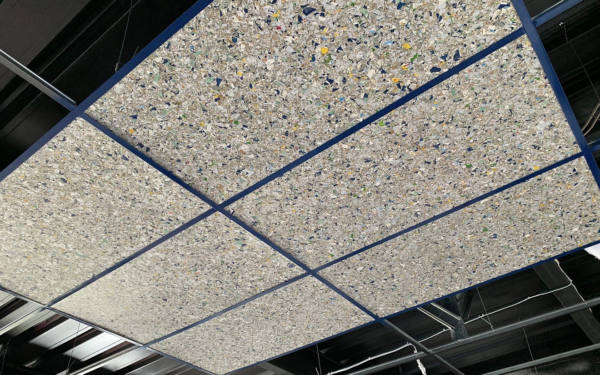
End product
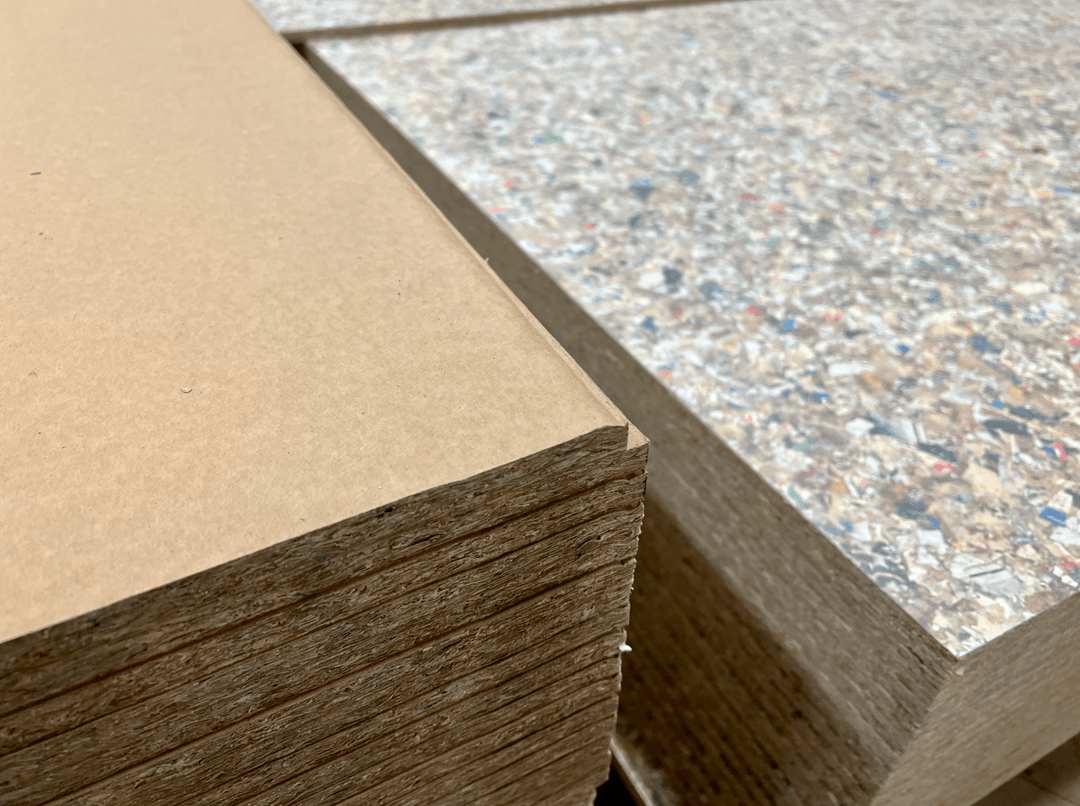
Recoma Boards: Durable, 100% recycled construction boards suitable for various building applications with superior acoustic properties and resistance to moisture.
Sources of funding for this intervention
Innovation, novel methods or technologies used
Material Source: Made from 100% recycled packaging waste. Traditional boards e.g., MDF, plywood, fiberboard are made from virgin wood fibers and synthetic resins, often requiring intensive forestry and industrial processing.
Circularity & Recyclability: Can be recycled and turned into new boards through a closed-loop production system. Traditional boards generally end up as waste in landfills or incinerators (due to glues and coatings).
Durability & Performance: Water-resistant, rot-proof, and weatherproof, making the boards suitable for both indoor and outdoor use. Traditional boards are more vulnerable unless treated with additional chemicals or coatings.
Carbon Footprint, Health & Safety: The production process uses waste as raw material without chemical binders or additives, and is powered by renewable energy. They are safe for indoor environments with minimal volatile organic compounds (VOCs), better indoor air and a significantly lower carbon footprint.
Obstacles and challenges faced
Market Entry: The construction business was at a stand still in the timing of entering the market. Overcoming skepticism in the construction industry.
Regulatory Compliance: Ensuring products meet building codes and standards.
Steps further and plans for the future
Scaling of production and further product development lies ahead. Increasing capacity to process up to 10,000 tons of waste annually by 2026 and expanding the range of recycled construction materials offered.
Key impacts – environmental, economic & social
Environmental: Significant reduction in CO2 emissions and diversion of waste.
Economic: Contributing to green economy and lower cost to produce.
Social: Promotion of sustainable practices within the construction industry.
Source: Recoma recoma.com
Qualities and criteria’s to consider the practice effective,
efficient, sustainable, transferable
Overview
Effectiveness: How well does the practice achieve its goals?
Efficiency: Does the practice minimize resources while maximizing outputs?
Sustainability: Does the pratcice
contribute to environmental protection, social equality and long- term viability?
Transferability: Are the methods transferable in different contexts?
Required Competences for the best practice
implementation
Activities-to-competences mapping
Associated competences
Knowledge
Skills
Attitudes
Training needs required for successful implementation
- Circular economy principles and compliance, cleantech manufacturing, sustainable construction and recycling
- Plastic waste classification and safe handling and materials technology
- Industrial plastic processing (grinding, heating, pressing)
- Product safety testing (e.g., fire, water, mechanical resistance)
- Construction industry standards and sales dynamics
Lessons learned
- Trust and adoption from the sector take time, certification and partnerships are key.
- Closed-loop design is possible even with mixed waste streams, and it’s commercially viable.
References / links:
- Recoma Linkedin
- Kiilto News about investment in Recoma
- Cision News about the Kiilto investment