
WILDPLASTIC

Overview

SCROLL DOWN FOR MORE!
Country
Type of organization
Number of employees
Type of practice
Level of investment
Activity type
Key words

Summary

Wildplastic is a German social enterprise that collects plastic waste from the environment, mainly in countries with poor waste management systems, and transforms it into 100% recycled and recyclable packaging products. Their goal is to reduce plastic pollution, cut CO₂ emissions, and improve the working conditions of waste collectors.
The company works with local partners in countries like India, Indonesia, and Haiti to collect “wild plastic” from landfills, beaches, and open dumps. This waste is often non-recyclable locally and would otherwise remain in the environment. Wildplastic ensures that collectors are fairly paid and work under ethical conditions.
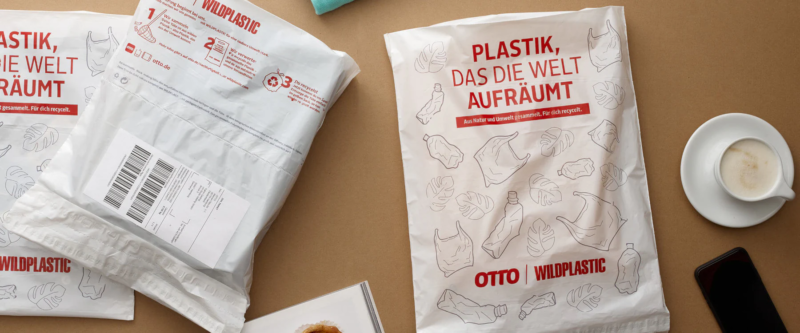
Once collected, the plastic is cleaned, sorted, and processed into granules in Europe. These are then used to manufacture climate-friendly products such as mailing bags and polybags, which are sold to businesses through partnerships with companies like OTTO and Hermes.
Background and origin
Wildplastic was founded in 2019 in Hamburg, Germany, by a group of entrepreneurs including Christian Raddatz, Gesa Biermann, and Jasper Gabrielsen. The idea emerged from the realization that millions of tons of plastic waste remain unrecycled, especially in countries without functioning waste management systems. Wildplastic targets this “wild plastic” , plastic waste found in the environment, and brings it back into the recycling cycle.
In its first year, the company began collaborating with local waste-collecting organizations in India, Indonesia, and Haiti, focusing on ethical sourcing and fair pay.
By 2021, Wildplastic launched its first product: a 100% recycled mailing bag, made from plastic collected in these regions and processed in Europe.
The team has grown to around 15 employees and operates under a steward ownership model, ensuring that the company’s purpose remains central and profits are reinvested. Wildplastic partners with well-known companies such as OTTO and Hermes, and introduced their WILDTRACKER transparency tool in 2022.
Relevance to the craft sector
Wildplastic’s approach is highly relevant to the craft sector through its focus on material reuse, ethical production, and sustainable design. By transforming collected plastic waste into new, functional products, Wildplastic demonstrates how discarded materials can be repurposed creatively and responsibly: core values shared by many craft professionals. Their model encourages small producers and designers to rethink material sourcing, offering inspiration for integrating recycled plastics into handmade or small-batch goods. This aligns with growing consumer demand for eco-conscious products and supports circular economy principles within craft-based production.
Material focus – type of waste material involved
Wildplastic focuses on plastic waste collected from the environment, specifically:
- Low-density polyethylene (LDPE) – commonly used in plastic bags and film packaging
- High-density polyethylene (HDPE) – found in bottles, containers, and other durable packaging
- Polypropylene (PP) – used in various consumer goods and packaging materials
This “wild plastic” is sourced from landfills, streets, beaches, and unmanaged dumpsites in countries lacking effective waste management systems.
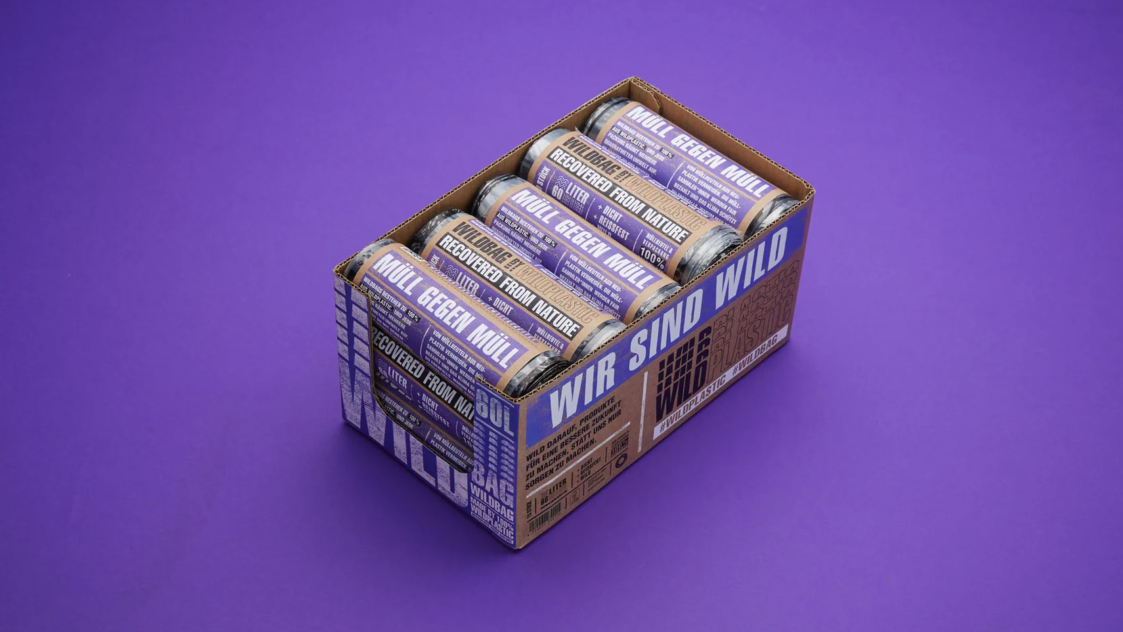
The collected plastic is then cleaned, processed, and turned into 100% recycled, recyclable products.

Target groups
- Business Clients (B2B)
- Environmentally Conscious Consumers and Supporters
- Waste collectors
Stakeholders involved
- Local Waste Collectors and NGOs: Engage in the collection of wild plastic and ensure fair labor practices
- Business Partners: Companies like OTTO and Hermes collaborate with WILDPLASTIC for sustainable packaging solutions
- Consumers: Purchase products made from recycled wild plastic, supporting the initiativ
Professionals involved and their roles
- Product Designers
- Supply Chain Managers
- Software Developers
- Communications & Marketing Specialists
- Impact Partners
- Sustainability Officers
Connection of the practice with the project-identified needs
Knowledge of Waste Materials
Green Entrepreneurial Skills
As a purpose-driven business, Wildplastic embodies green entrepreneurship. It combines environmental impact with a viable business model, ethical sourcing, and product development. Their approach teaches how to launch and grow a sustainable venture: building supply chains, engaging stakeholders, managing impact, and creating products from recycled inputs – all critical skills for emerging eco-entrepreneurs in the craft sector.
Creativity and Innovative Solutions
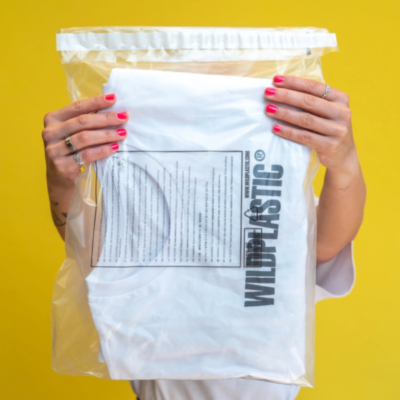
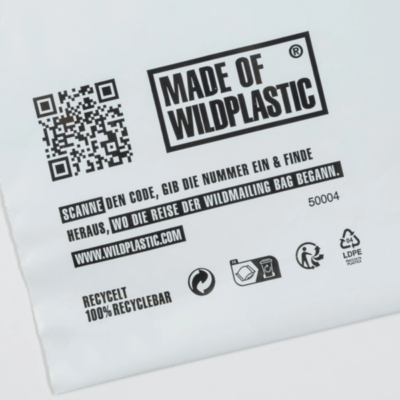
Wildplastic transforms waste into value through innovative product design (e.g. climate-neutral mailing bags), transparent tracking tools like the WILDTRACKER, and partnerships with large retailers. Their solutiondriven mindset proves how environmental challenges can inspire functional, market-ready, and scalable innovations, showing learners how to design responsibly while meeting realworld needs.
Methodological approach to implement the practice
Process description – step by step instructions for implementing the practice
Short Implementation Steps
- Choose plastic waste (e.g. LDPE, HDPE).
- Partner with ethical collectors abroad.
- Collect and transport the plastic.
- Recycle it into granulate.
- Make new products (e.g. bags).
- Add traceability (e.g. QR tool).
- Sell to businesses.
- Promote and grow.
Related Resources that have been developed
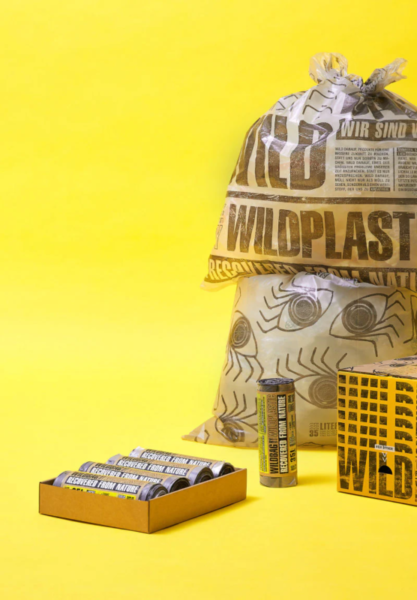
End product
Sources of funding for this intervention
- Initial grants from IFB Hamburg
- Loans from GLS Bank
- Investments from Purpose Ventures and other impact investors
Innovation, novel methods or technologies used
WILDTRACKER: A digital tool that traces the plastic’s journey from collection to product, ensuring transparency and accountability.
Sourcing from unmanaged waste streams: They collect plastic directly from landfills, beaches, and streets in regions without formal waste systems – an uncommon, highimpact approach.
Obstacles and challenges faced
- Inconsistent supply from regions with poor infrastructure
- High transport costs for moving waste to recyclers
- Investor misalignment with long-term goals
- Technical challenges in processing mixed plastic
- Need for transparency, solved by creating WILDTRACKER
Steps further and plans for the future
WILDPLASTIC aims to expand its product range, increase collaborations with businesses seeking sustainable packaging solutions, and enhance its impact by recovering more wild plastic and supporting additional waste collector communities.
Key impacts – environmental, economic & social
Wildplastic’s key impacts are environmental, economic, and social. Environmentally, it removes plastic waste from nature, lowers CO₂ emissions, and reduces the need for virgin plastic. Economically, it turns waste into marketable products, supports circular business models, and generates income. Socially, it creates fair employment for waste collectors, improves working conditions, and builds ethical, inclusive supply chains.
Qualities and criteria’s to consider the practice effective,
efficient, sustainable, transferable
Overview
Effectiveness: How well does the practice achieve its goals?
Efficiency: Does the practice minimize resources while maximizing outputs?
Sustainability: Does the pratcice
contribute to environmental protection, social equality and long- term viability?
Transferability: Are the methods transferable in different contexts?
Required Competences for the best practice
implementation
Activities-to-competences mapping
Associated competences
Knowledge
Skills
Attitudes
Training needs required for successful implementation
Training needs include knowledge of plastic recycling, skills in processing and design, supply chain coordination, and sustainability communication, along with strong teamwork and ethical awareness.
Lessons learned
Building a sustainable plastic recycling model requires long-term commitment, ethical partnerships, and transparent communication. Technical challenges and investor alignment are critical. Innovation, like traceability tools, strengthens trust and impact.