
Koopera
Overview

SCROLL DOWN FOR MORE!
Country
Type of organization
Number of employees
Type of practice
Level of investment
Activity type
Key words

Summary

Koopera is a social and environmental organization focused on promoting social and labor inclusion through sustainable waste management. Established in Spain, Koopera operates a circular economy model that includes the collection, reuse, and recycling of textiles, electronics, furniture, and other materials. Through these activities, Koopera supports both environmental sustainability and social empowerment.
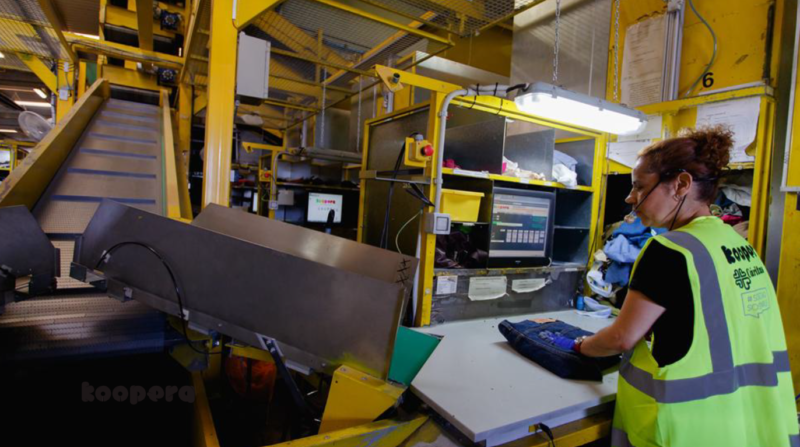
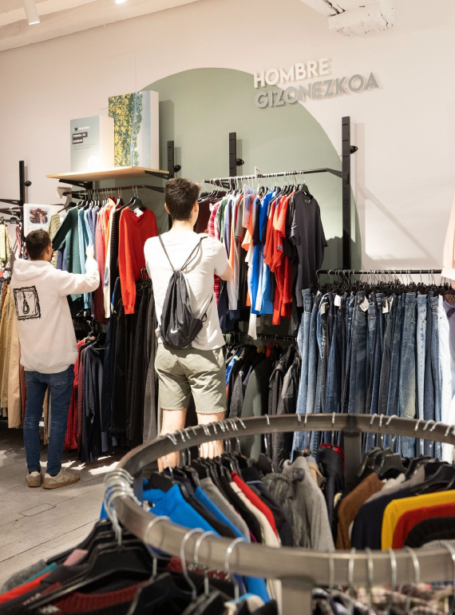
The organization runs a network of collection points and processing centers, employing advanced sorting technologies to efficiently separate and prepare materials for reuse or recycling. Koopera also operates stores where upcycled and recycled products are sold, fostering sustainable consumption. By integrating vocational training and employment opportunities, Koopera helps people at risk of social exclusion reintegrate into the workforce.
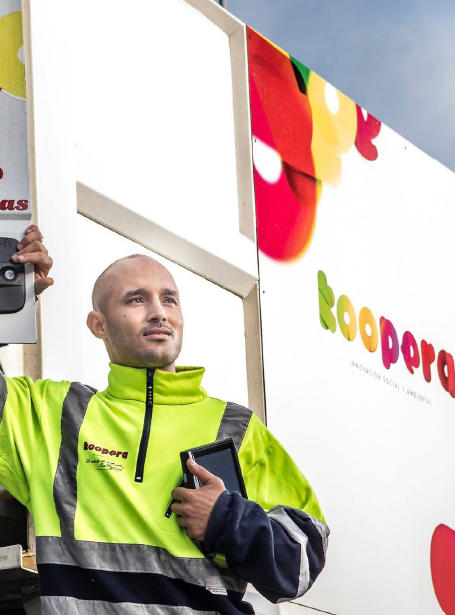
Koopera collaborates with various stakeholders, including government agencies, social organizations like Caritas, private companies, and volunteers. This broad partnership network enhances its impact on both environmental and social fronts. The organization combines economic viability with social responsibility, ensuring that profits from sales support ongoing community programs and environmental initiatives.
Background and origin
Koopera was created to tackle social and environmental challenges by combining sustainable waste management with social inclusion. The organization operates within a circular economy framework, focusing on the collection, reuse, and recycling of various waste materials such as textiles, electronics, and furniture. Its goal is to reduce waste and promote resource conservation while empowering marginalized groups through vocational training and employment opportunities.
Since its inception, Koopera has developed a broad network of collection points, processing facilities, and sustainable consumption stores. It collaborates closely with social organizations like Caritas, local governments, and private sector partners to support vulnerable populations and enhance environmental impact. This multifaceted approach positions Koopera as a leader in integrating environmental sustainability with social equity.
Relevance to the craft sector
Koopera’s activities are relevant to the craft sector mainly through their focus on recycling and reusing materials like textiles, furniture, and paper, which can be repurposed for craft-related processes. While not directly involved in traditional crafts, Koopera’s approach can inspire artisans to incorporate sustainable materials into their work and adopt circular economy principles. Additionally, their vocational training programs help individuals develop skills that are valuable in crafts, such as working with recycled materials and creating sustainable products.
Material focus – type of waste material involved
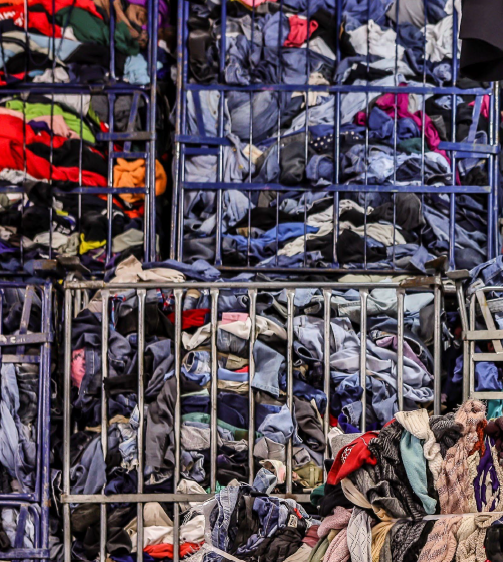
Koopera focuses on recycling and reusing a wide range of waste materials, with a significant emphasis on textiles, including clothing, footwear, and home textiles. These materials are collected, sorted, and processed to extend their lifecycle through reuse or recycling, thereby reducing landfill waste and promoting sustainability. Beyond textiles, Koopera also handles electronics, small household appliances, and various other materials such as books, toys, paper, cardboard, furniture, packaging, batteries, and organic waste.
By managing such diverse waste streams, Koopera supports environmental conservation through resource recovery and pollution reduction. Their comprehensive approach ensures that materials are effectively sorted and repurposed, maximizing value while minimizing environmental impact. This broad material focus aligns with their mission to integrate social inclusion with sustainable waste management practices.
Target groups
- Individuals at risk of social exclusion
- Long-term unemployed and low-income groups
- People with disabilities
- Local communities involved in recycling and sustainability
- Partner organizations like Caritas and local municipalities
Stakeholders involved
- Caritas (major partner and supporter)
- EU Social Funds (financial support)
- Local municipalities (collaboration on waste collection and social services)
- Private companies (CSR partnerships and employment opportunities)
- Volunteers (support in collection, sorting, and store operations)
- Social workers and trainers (vocational training and support)
Professionals involved and their roles
Connection of the practice with the project-identified needs
Knowledge of Waste Materials
Koopera possesses extensive knowledge of waste materials, particularly textiles, but also including plastics and other recyclables. This expertise covers waste handling, sorting techniques, and preparation for reuse or recycling, ensuring efficient material recovery and compliance with environmental standards.
Green Entrepreneurial Skills
Koopera demonstrates green entrepreneurial skills by combining sustainability with social inclusion, managing scalable recycling systems, navigating regulatory requirements, and developing value-added products from waste. Although not primarily focused on entrepreneurial training, Koopera’s model exemplifies green and inclusive business practices in action.
Creativity and Innovative Solutions
Koopera applies creativity and innovation through the use of advanced sorting technologies, digital platforms for sales and tracking, and social innovation programs that integrate marginalized individuals into the workforce. Their approach includes upcycling waste into new products, designing sustainable fashion items, and creating urban furniture, demonstrating an innovative blend of environmental and social objectives.
Methodological approach to implement the practice
Process description – step by step instructions for implementing the practice
Koopera’s process begins with assessing community needs and setting clear goals for waste collection, reuse, and recycling programs. The organization engages local authorities, businesses, and social partners to build support and secure funding. Facilities for collection, sorting, and processing are established, equipped with advanced technologies for efficient material categorization.
Staff and volunteers are trained in sorting, processing, and quality control. Collection points are set up to gather waste from the community, which is then sorted into reusable, recyclable, or disposable categories. Materials are processed and prepared for resale or recycling. Continuous monitoring, evaluation, and feedback mechanisms ensure the program’s effectiveness and enable ongoing improvements.
Related Resources that have been developed
Koopera has developed extensive infrastructure, including numerous collection points and processing centers equipped with advanced sorting technologies. The organization also relies on a dedicated team of trained staff and volunteers, supported by partnerships with social organizations like Caritas. Additionally, digital tools for tracking material flows and managing operations enhance transparency and efficiency. Training programs and vocational courses further support workforce development and community engagement.
End product
Koopera’s end products include recycled and upcycled goods sold through their network of sustainable consumption stores. These products range from refurbished textiles and clothing to furniture and other household items. Additionally, Koopera offers vocational training courses and employment opportunities aimed at empowering marginalized individuals and fostering social inclusionKoopera.
Sources of funding for this intervention
Innovation, novel methods or technologies used
Koopera employs innovative methods such as automated and optical sorting technologies to efficiently categorize materials. They also utilize digital platforms for sales and material tracking, enhancing transparency and operational efficiency. Social innovations include inclusive employment programs and community engagement initiatives that foster sustainability and social responsibility.
Obstacles and challenges faced
Koopera has faced challenges including low digital literacy among participants, making training for long-term employment difficult; difficulties in achieving sustained labor market integration, especially for vulnerable groups like women; securing sufficient funding and resources to scale operations while maintaining quality; and engaging the community to change consumption habits and support recycling initiatives. Addressing these requires targeted programs, diversified funding, and extensive awareness campaigns
Steps further and plans for the future
Koopera plans to expand geographically and diversify the types of materials they collect and process. They aim to enhance their social and environmental impact by growing their network, improving operational efficiency, and continuing to integrate marginalized individuals through training and employment programs
Key impacts – environmental, economic & social
Qualities and criteria’s to consider the practice effective,
efficient, sustainable, transferable
Overview
Effectiveness: How well does the practice achieve its goals?
Efficiency: Does the practice minimize resources while maximizing outputs?
Sustainability: Does the pratcice
contribute to environmental protection, social equality and long- term viability?
Transferability: Are the methods transferable in different contexts?
Required Competences for the best practice
implementation
Activities-to-competences mapping
Associated competences
Knowledge
Skills
Attitudes
Training needs required for successful implementation
- Training in waste sorting and recycling techniques
- Digital literacy for staff and participants
- Vocational and job skills development
- Environmental regulations and sustainability practices
- Community engagement and social inclusion methodologies
Lessons learned
- Combining social inclusion with environmental sustainability is effective
- Community engagement and education are crucial for success
- Continuous adaptation to new technologies and regulations is necessary
- Strong partnerships enhance impact and resource availability
- Addressing digital literacy improves workforce integrationKoopera
References / links:
- Koopera: https://www.koopera.org/
- Caritas Spain: https://www.caritas.es/
- EU Social Funds: https://ec.europa.eu/social/main.jsp?langId=en