
Rent i Skogen
Overview

SCROLL DOWN FOR MORE!
Country
Type of organization
Number of employees
Type of practice
Level of investment
Activity type
Key words

Summary

Background and origin
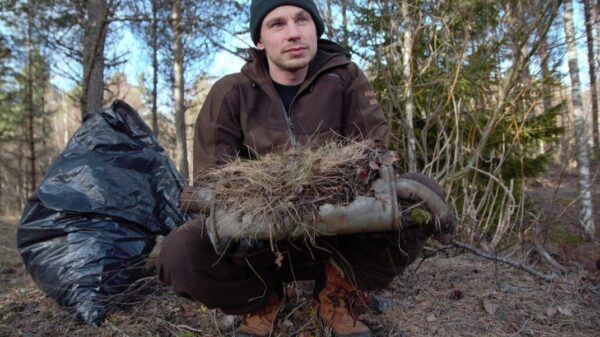
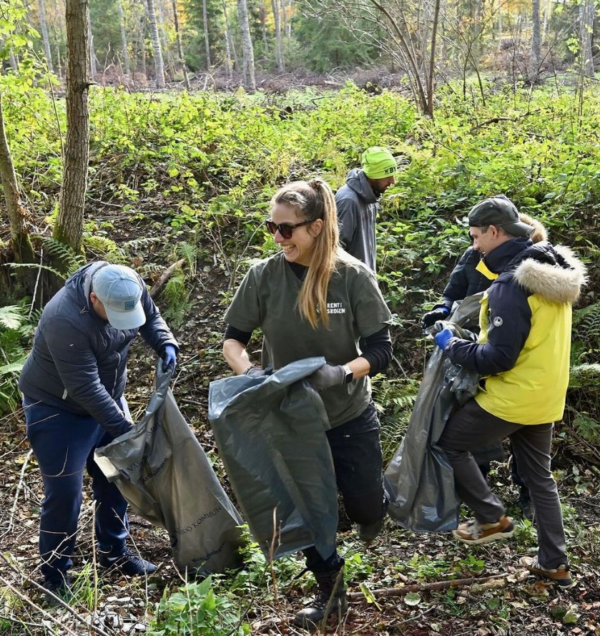
The initiative was founded to address a gap in environmental services by combining circular economy principles with employment opportunities and public awareness. Joel Knutsson, a successful salesperson by profession, began picking litter in the forest near his home during his free time. What started as a personal hobby quickly gained public attention, engaging both media and local politicians. This growing interest led him to start a company. The first public cleanup event was held in 2022. Since then, over 150 people have contributed to collecting more than 300 tons of waste. The initiative is funded through a combination of content creation, sponsorship from local businesses, online sales via platforms like Facebook and Tradera, and selling recyclable materials to recycling companies. They also collaborate with schools as part of educational programs, offer lectures, and run labour market projects.
Relevance to the craft sector
Material focus – type of waste material involved
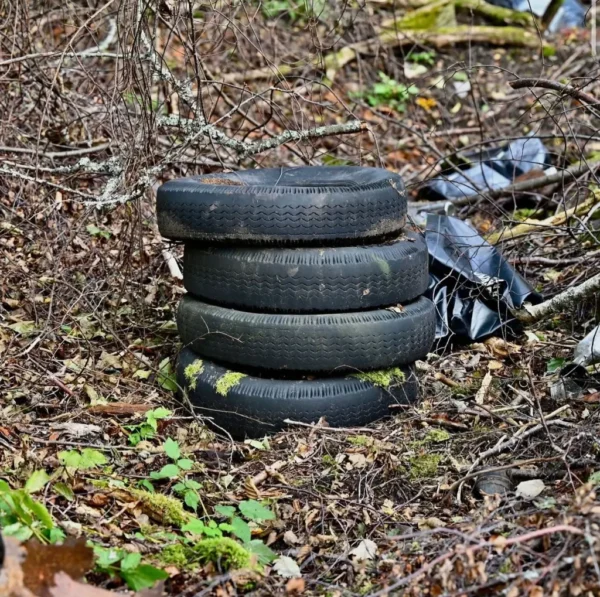
For upcycling and reselling: Primarily furniture, household items, electronics, and architectural salvage items such as door handles and other metal fittings.
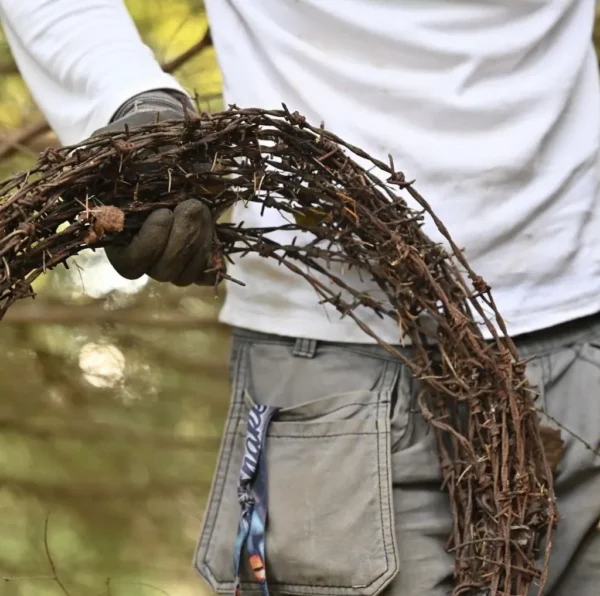
For recycling sales: Circuit boards, metals, plastics, glass, electronics, and other recyclable materials.
Target groups
- Locals
- Local companies
- Municipals
- Recycling companies
- Schools
Stakeholders involved
- Municipalities provide summer jobs and contract Rent i Skogen for clean-up of public areas.
- Private landowners and companies hire them for clean-up and often act as sponsors.
- Sponsors and campaign partners support financially and raise awareness, especially via CO₂-Kampen.
- Labor offices help place jobseekers in environmental work programs.
- Citizens and schools join clean-up events and sustainability education.
- Team members include staff, youth, and jobseekers of all genders in both field and outreach roles.
Professionals involved and their roles
- Environmental workers for collection.
- Supervisors and project leaders.
- Educators and youth leaders engage communities, lead school programs and awareness campaigns.
- Upcycle carpenters and other craftsmen.
- Source: Rent i Skogen rentiskogen.se
Connection of the practice with the project-identified needs
Knowledge of Waste Materials
Green Entrepreneurial Skills
The company operates as a mobile, scalable service that contracts with municipalities and landowners for clean-up and environmental reporting. This market-based model transforms environmental responsibility into a viable business. Campaigns like CO₂-Kampen add commercial and social value through storytelling and measurable environmental data. Rent i Skogen ensures compliance with Swedish environmental and labor laws, and demonstrates how social enterprises can generate income, provide jobs, and expand into valueadded reuse or circular product development.
Creativity and Innovative Solutions
Methodological approach to implement the practice
Process description – step by step instructions for implementing the practice
- Scouting & Area Mapping
Identify littered areas via public tips, environmental reports, or municipal requests. - Team Mobilization
Assemble a team, including local jobseekers when possible. Provide safety and sorting training. - Clean-Up Operations
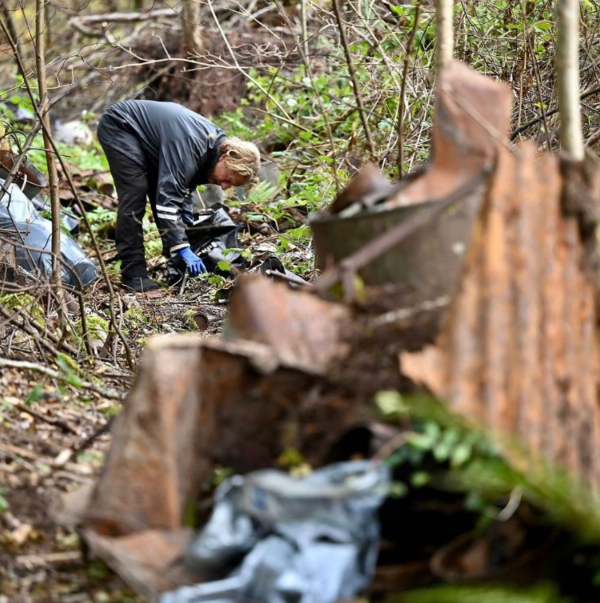
Equip teams with gloves, bags, and tools. Collect waste manually from targeted areas – forests, paths, parks, coastal zones. - Sorting
Sort waste into categories (plastics, metals, general waste, hazardous items) and items for reuse or upcycling. - Upcycling / Creative Reuse
Hand unique materials to partner artists, youth leaders or craftsmen to create awareness-raising installations or for selling. - Recycling & Disposal
Send recyclable materials to local facilities. Non-recyclable waste is documented and properly disposed of. - Reporting & Communication
Summarized impact in digital reports with metrics (e.g. kilos collected, CO₂ equivalent saved), used in campaigns.
A single clean-up operation: 1–3 days. Ongoing program in a municipality: scalable from 1 week to full-year contracts. Full model setup in a new region takes approx. 1–2 months, depending on partnerships and staffing.
Related Resources that have been developed
- Sales and outreach materials
- Educational materials
- Campaign formats
- Carbon impact calculator
- A children’s book on recycling
End product
- Cleaned environments
- Sorted and recycled materials
- Impact data reports
- Upcycled items
- Resale of found objects
Sources of funding for this intervention
Currently income comes mainly from employment-related programs, such as youth summer jobs and labor market initiatives. Support is provided from local businesses, recycling companies, tool sponsors, and educational book backers who help fund operations. Additional income comes from lectures, workshops, and product sales.
Innovation, novel methods or technologies used
Rent i Skogen offers a hands-on, community-driven approach to circular economy by transforming waste collection into a platform for learning and local engagement. Unlike centralized recycling systems, it focuses on early-stage sorting, manual identification, and creative reuse.
By upcycling collected wood, metal, and plastics into craft, repair, or art materials, the initiative builds circular value before recycling. Youth and jobseekers gain practical skills that support green employment. Through mobile units, simple tools, and campaigns like CO₂-Kampen, Rent i Skogen raises awareness, involves schools and communities, and positions waste as a source of innovation and entrepreneurship.
Obstacles and challenges faced
Steps further and plans for the future
Rent i Skogen plans to expand nationally and internationally, grow creative reuse partnerships, and develop circular products – aiming to become a leading platform for local clean-up, circular innovation, and social inclusion.
Key impacts – environmental, economic & social
- Environmental: Reduces litter supporting cleaner ecosystems and biodiversity.
- Economic: Generates income through services, reuse sales, and sponsorships while reducing public clean-up costs.
- Social: Foster local engagement and green jobs for marginalized groups.
Qualities and criteria’s to consider the practice effective,
efficient, sustainable, transferable
Overview
Effectiveness: How well does the practice achieve its goals?
Efficiency: Does the practice minimize resources while maximizing outputs?
Sustainability: Does the pratcice
contribute to environmental protection, social equality and long- term viability?
Transferability: Are the methods transferable in different contexts?
Required Competences for the best practice
implementation
Activities-to-competences mapping
Associated competences
Knowledge
Skills
Attitudes
Training needs required for successful implementation
- Circular economy basics, material knowledge and safe handling
- Upcycling skills, basic repair and creative reuse of materials
- Communication and digital skills, using social media
- Entrepreneurship like pitching, budgeting, and building partnerships
- Soft skills for teamwork, leadership, creativity, and inclusion mindset
Lessons learned
- Waste has value
- Inclusion creates impact
- Simple scales
- Partnerships are key
- Storytelling drives change