
EOE Eyewear & Regrind

Overview

SCROLL DOWN FOR MORE!
Country
Type of organization
Number of employees
Type of practice
Level of investment
Activity type
Key words

Summary

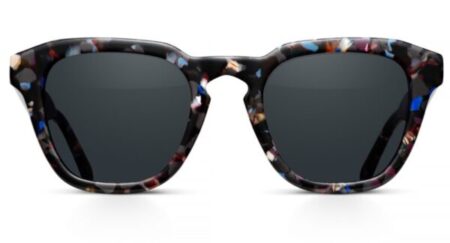
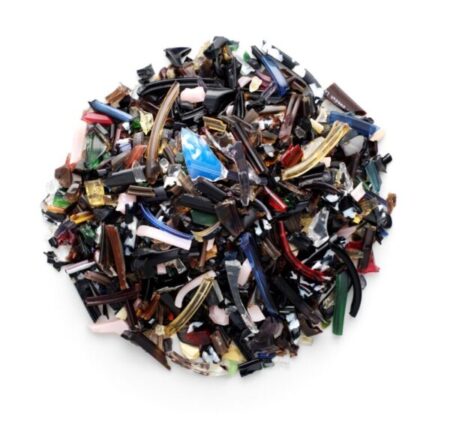
EOE is a Swedish eyewear and recycling innovator combining patented acetate recycling (Regrind) with the design and production of stylish, high-quality eyewear. By collecting and mechanically processing used acetate frames into new raw material, EOE has created a closed-loop system that links material recovery directly to retail and design. The model showcases strong innovation, both in technical process and in consumer-facing product development, positioning sustainability as a core aesthetic and commercial strength.
EOE has been financed in part through bank loans, showing that circular design models can attract conventional financing when backed by strong brand positioning and market traction.
EOE proves that circularity can be high-end, scalable, and authentic and is particularly inspiring for jewelers, furniture makers, and textile designers.

Background and origin
Relevance to the craft sector
EOE combines Scandinavian design values with craftsmanship and sustainability. The emphasis on minimalistic, handmade aesthetics and the innovative reuse of materials through the Regrind system aligns with the craft sector’s values of quality, tradition, and resourcefulness.
Material focus – type of waste material involved
- Recycled acetate from returned and discarded eyewear.
- Minor use of metals and hinges, typically designed for longevity or reuse.
Target groups
- Environmentally conscious retailers
- Design-forward brands
- Eyewear customers seeking ethical, high-quality products
All target groups tend to value sustainability, local identity, and aesthetic minimalism.
Stakeholders involved
- Consumers: Return used frames for recycling
- Retailers/Opticians: Act as collection and sales points
- Local manufacturers and designers: Develop new products
Professionals involved and their roles
- Designers: Frame and product development
- Engineers: Acetate processing and production innovation
- Retail staff and marketers: Communicate sustainability story
- Collaborate with circular economy researchers from Sweden.
Both founders (male and female) lead key operations and own the companies 50 – 50%.
Connection of the practice with the project-identified needs
Knowledge of Waste Materials
Green Entrepreneurial Skills
- EOE shows green entrepreneurial skills as they embed sustainability into branding, supply chain, and partnerships, plus meeting compliance for retail markets.
- EOE have grown regulatory and compliance skills among founders and hold a patent covering EU for the separation of materials.
- Scalable Recycling Systems is built in partnership with the retailers who provide opportunity for consumers to hand in used eyewear.
- EOE Eyewear are produced from the plastic waste (and opportunities are provided for other brands as well).


Creativity and Innovative Solutions
EOE transforms discarded plastic into fashionable, functional, and aesthetic objects—promoting reuse through visual and tactile appeal showcasing creativity and innovation,
Methodological approach to implement the practice
Process description – step by step instructions for implementing the practice
- Collect used frames (via consumers and retailers)
- Sort and clean materials
- Grind and reform acetate sheets
- Redesign and manufacture new eyewear
- Sell through circular storytelling and ecommerce
Implementation took several years of R&D to establish and required industry partnerships.
Related Resources that have been developed
- Regrind material showcase
- Product labeling for Regrind collection
- In-store return campaigns
- Educational material for consumers and retailers (visual storytelling)
End product
Stylish, eco-conscious eyewear collections using recycled acetate. The Regrind and Reloved lines highlight their circularity and minimalistic design.
Sources of funding for this intervention
EOE Regrind has been financed privately by EOE Eyewear who in turn has been built with the founders own money and bank loans.
Innovation, novel methods or technologies used
EOE’s Regrind model is an industry-first in the Nordic region for eyewear. It repositions waste as a valuable resource and invites customers into the loop through design-led sustainability. The innovation patent is for the separation process of metal from other materials, mainly plastic (wood is another example).
Obstacles and challenges faced
Initial R&D challenges in acetate reprocessing and understanding material (initially a brand driven company focused on selling eyewear) with support from researchers. The Ukraine war has held bigger companies back from investing in sustainability.
Steps further and plans for the future
EOE aims to scale up the Regrind model, encourage industry-wide circular transitions, and potentially enter new product categories using the same sustainable principles.
To grow the volume of recycled acetate and metal. Preferably within Sweden. Within Sweden there are several bigger companies and people with knowledge of how to develop metal. Italy and France are potential locations for growing the volume of recycled acetate. Being present at fairs and to grow the circular business with the right international retailers and brands.
Key impacts – environmental, economic & social
- Environmental: Major reduction in virgin acetate use; extends life of plastic materials.
- Economic: Creates a circular value chain within fashion retail.
- Social: Involves consumers directly in circular economy; educates and inspires.
- Contributes to green job creation indirectly through design, logistics, and marketing.
Qualities and criteria’s to consider the practice effective,
efficient, sustainable, transferable
Overview
Effectiveness: How well does the practice achieve its goals?
Efficiency: Does the practice minimize resources while maximizing outputs?
Sustainability: Does the pratcice
contribute to environmental protection, social equality and long- term viability?
Transferability: Are the methods transferable in different contexts?

Required Competences for the best practice
implementation
Activities-to-competences mapping
Associated competences
Knowledge
Skills
Attitudes
Training needs required for successful implementation
- Training needs required for successful implementation
- Acetate reprocessing techniques (How to make the plates or glasses).
- Circular product design.
- Consumer engagement strategies.
- Legal and sustainability certification.
- Languages, Italian, French, Chinese.
Lessons learned
- Starting with sustainability at the core leads to brand strength.
- Consumers can become co-creators in circular systems when empowered to return products.
- Partnerships (like with Synsam) are key to scaling impact.
References / links:
- Dagens Industri (Swedish Press in Swedish): di.se/weekend/fran-skolbanktill-vd-stol
- Circular Partnership (in Swedish): synsamgroup.com/sv/gamla-glasogonfar-nytt-liv-nar-synsam-lanserarcircular-collection