
Traceless Materials

Overview

SCROLL DOWN FOR MORE!
Country
Type of organization
Number of employees
Type of practice
Level of investment
Activity type
Key words

Summary

Traceless Materials GmbH, founded in 2020 in Hamburg, Germany, is a circular bioeconomy company that has developed a novel biomaterial called traceless®. This material is derived from agricultural residues and serves as a sustainable alternative to conventional plastics and bioplastics.
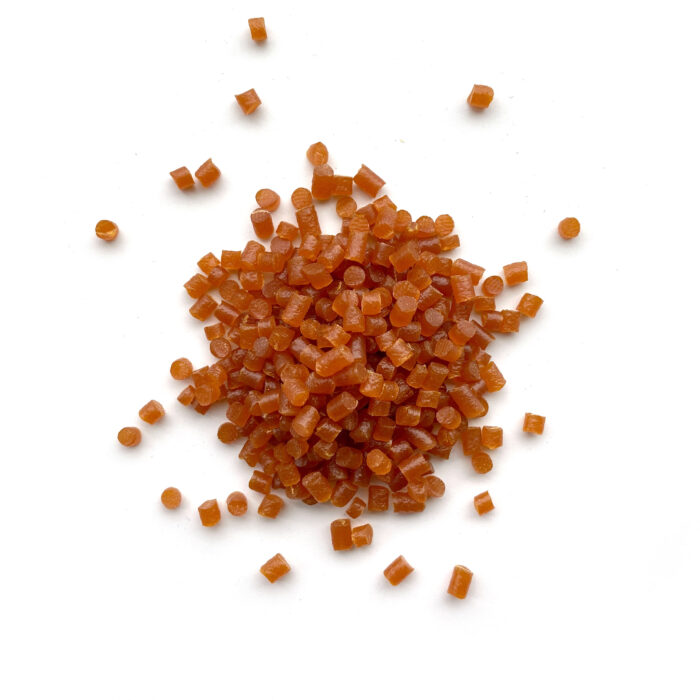
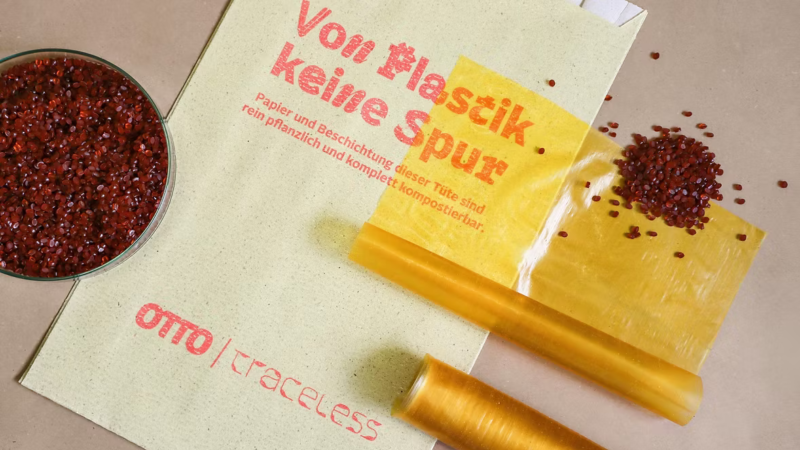
Traceless® is fully biobased, plastic-free, and home compostable, breaking down under natural conditions within 2 to 9 weeks. The company produces traceless® in granulate form, which can be processed into various products such as films, rigid materials, coatings, and adhesives, using standard plastic processing technologies. This innovation aims to reduce plastic pollution and contribute to a regenerative, climate-friendly economy.
Background and origin
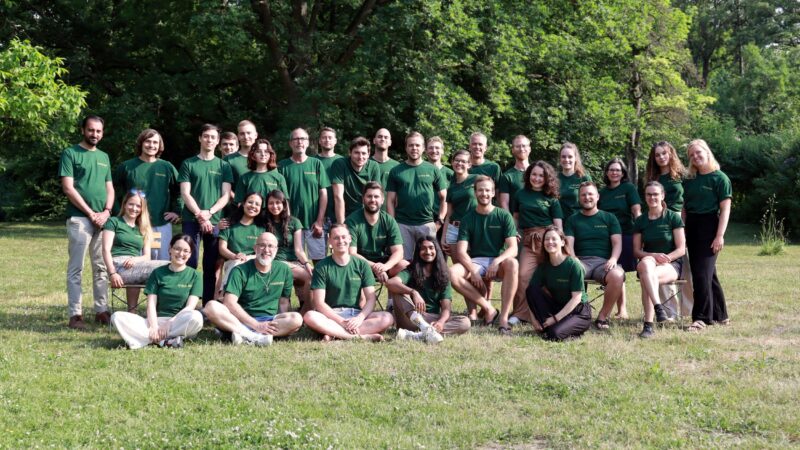
Traceless Materials GmbH was founded by Dr. Anne Lamp and Johanna Baare with the mission to address global plastic pollution and contribute to a regenerative, climate-friendly economy.
By transforming agricultural residues into a sustainable material, the company aims to reduce reliance on fossil-based plastics and promote a circular economy. Traceless® materials are designed to integrate seamlessly into nature’s biological cycle, leaving no trace behind.
Relevance to the craft sector
Traceless® materials offer significant potential for the craft sector by providing sustainable, plastic-free alternatives that can be used in various applications. Artisans and designers can utilize traceless® granulates to create eco-friendly products, aligning with increasing consumer demand for sustainable and biodegradable materials. The material’s compatibility with standard processing technologies makes it accessible for small-scale craft production.
Material focus – type of waste material involved
Traceless focuses on using organic waste materials from the agricultural and food-processing industries. Specifically, the company relies on residues left over from starch production, grain processing, and brewery operations, such as spent grains. These by-products are considered secondary biomass, meaning they are not grown specifically for material production and do not compete with food resources. By transforming these agricultural leftovers into a new type of plastic-free, compostable material, Traceless creates value from waste that would otherwise be discarded.

Target groups
- Manufacturers: Seeking sustainable alternatives to conventional plastics for various applications.
- Brand Owners: Looking to incorporate eco-friendly materials into their product lines.
- Consumers: Interested in products made from sustainable, biodegradable materials.
- Artisans and Designers: Exploring innovative materials for craft and design projects.
Stakeholders involved
- Traceless founders and team,
- EU and German government
- funders (EIC, BMUV),
- private investors,
- industrial processing partners,
certification bodies, and companies adopting the material for sustainable product development.
Professionals involved and their roles
- Engineers and Scientists
- Operations Team
- Quality Assurance
- Marketing and Sales
Connection of the practice with the project-identified needs
Knowledge of Waste Materials
Traceless exhibits a strong scientific and technical understanding of organic waste streams, particularly secondary biomass from agricultural processes. They focus on residues like spent grains from breweries and by-products from starch or grain processing – materials often discarded or underutilized. Instead of traditional plastic feedstocks or even first-generation bioplastics (which may still rely on food crops or chemically modified polymers), Traceless uses natural polymers inherently present in these residues. Their process avoids chemical modification, ensuring the material remains naturally degradable. This demonstrates applied expertise in biopolymer extraction, circular material flows, and environmental impacts of different waste types.
Green Entrepreneurial Skills
The company’s trajectory reflects high-level entrepreneurial competence in the green innovation space. The founders successfully translated a research-based concept into a fast-scaling startup. Within just a few years, Traceless secured €36.6 million in funding, including from the European Innovation Council and Germany’s BMUV – key indicators of investor confidence and alignment with EU green transition goals. They’ve also planned the construction of a full-scale production facility, showing long-term strategic planning. Their active involvement in international sustainability events, policy forums, and material innovation groups positions them as thought leaders and changemakers within the bioeconomy and circular plastics sectors.

Creativity and Innovative Solutions
Traceless created a completely plasticfree material that still functions like conventional plastic, offering durability, processability, and flexibility while being fully home-compostable and toxin-free. This required not only scientific creativity but also innovative thinking in how to align material performance with environmental compatibility and existing industry infrastructure. Unlike many green materials that require new machines or come with high functional trade-offs, Traceless materials can be processed using standard plastic manufacturing technologies. This compatibility reduces adoption barriers and increases scalability.
Methodological approach to implement the practice
Process description – step by step instructions for implementing the practice
- Source agricultural residues (e.g. spent grains, starch waste).
- Extract natural polymers without chemical modification.
- Process into granulates using proprietary technology.
- Convert granulates into products via standard plastic machinery (e.g. molding, coating, extrusion).
- Distribute to industry partners for use in packaging and other applications.
- End-of-life products are compostable in natural conditions without leaving microplastics.
Related Resources that have been developed
Traceless has developed certified material samples, lifecycle assessment reports, application prototypes (e.g. packaging, labels, film), and communication resources for industry adoption. They also provide technical data for processing and compostability certification.

End product
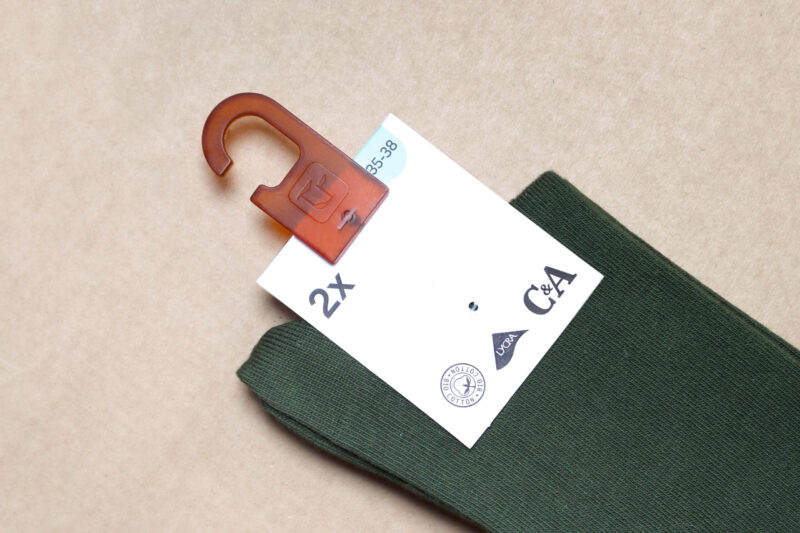
The end product of the Traceless process is a plastic-free, fully compostable biomaterial in the form of granulates. These granulates can be processed into items such as rigid packaging (e.g. trays, cutlery), flexible films, coatings, labels, and adhesives using standard plastic manufacturing equipment. The final products are non-toxic, naturally degradable in the environment, and serve as sustainable alternatives to conventional plastics.
Sources of funding for this intervention
Innovation, novel methods or technologies used
Traceless Materials GmbH has pioneered an innovative approach to sustainable materials by developing traceless®, a plastic-free, home-compostable biomaterial derived from agricultural residues. Their patent-pending technology extracts natural biopolymers from plant waste, producing granulates that can be processed into various products using standard plastic manufacturing equipment.
This method distinguishes itself from traditional bioplastics by utilizing natural polymers without synthetic modification, ensuring rapid biodegradability within 2 to 9 weeks under natural conditions.Moreover, traceless® materials are free from harmful additives and solvents, offering a holistic solution that aligns with the cradle-to-cradle principle.
Obstacles and challenges faced
Traceless faced challenges in scaling production, securing regulatory certifications, and ensuring material compatibility with existing industrial processes – all while maintaining full biodegradability and plastic-free composition.
Steps further and plans for the future
Key impacts – environmental, economic & social
Traceless has significant environmental, economic, and social impacts. Environmentally, it reduces plastic pollution, cuts greenhouse gas emissions by up to 95%, and avoids toxic substances, offering a fully compostable alternative that leaves no microplastics. Economically, it supports green industry growth, creates sustainable jobs, and enables cost-efficient production using existing machinery. Socially, it fosters responsible consumption, promotes circular economy values, and increases public awareness of plastic-free, naturecompatible solutions.
Qualities and criteria’s to consider the practice effective,
efficient, sustainable, transferable
Overview
Effectiveness: How well does the practice achieve its goals?
Efficiency: Does the practice minimize resources while maximizing outputs?
Sustainability: Does the pratcice
contribute to environmental protection, social equality and long- term viability?
Transferability: Are the methods transferable in different contexts?
Required Competences for the best practice
implementation
Activities-to-competences mapping
Associated competences
Knowledge
Skills
Attitudes
Training needs required for successful implementation
- Training in biopolymer chemistry and material processing
- Understanding circular economy principles and environmental regulations
- Skills in handling agricultural residues and operating processing equipment
- Use of digital monitoring and control systems
- Lab testing and quality assurance techniques
- Safety protocols and machine maintenance
Lessons learned
Turning agricultural residues into functional, plastic-free materials is achievable with the right technology, but requires strong investment, clear certifications, and close collaboration with industry. Scalability depends on using existing manufacturing infrastructure and maintaining strict sustainability standards.